Industry Source
Internoise 2026 – Performing Arts – What was said?
Published: August 22, 2026
View original sourceNews Summary
In an August 22, 2026 post following Internoise 2026, Acoustic Research & Design Ltd reflected on a performing-arts session it says it co-chaired. The firm highlighted José Augusto Nepomuceno’s presentation on four historic performing-arts buildings in Brazil and posed a question with wider relevance to retrofit work: can good or bad acoustics be part of a building’s heritage?
The post points to contrasting approaches, including the variable-volume Sala São Paulo, more selective acoustic correction at Sala Cecilia Meireles and new performance spaces introduced within surviving historic structures. Its observation is that heritage is not limited to what occupants see: a room’s characteristic sound can also shape its identity and may sometimes merit preservation rather than default correction.
This is an expert commentary, not a published technical study, project brief or acoustic test report. It gives no target reverberation times, speech metrics, measured before-and-after results, lighting calculations or construction details. The useful takeaway is procedural: before altering a legacy interior, teams should establish what its current sound environment contributes to significance, use and comfort, then make explicit decisions about what must change.
- Acoustic Research & Design Ltd published its Internoise 2026 reflection on August 22, 2026.
- The post discusses a session on performing arts and José Augusto Nepomuceno’s examination of four historic Brazilian venues.
- It contrasts the variable-volume Sala São Paulo, selective correction at Sala Cecilia Meireles and new performance spaces within surviving historic structures.
- The central question is whether a building’s acoustic character can form part of its heritage rather than something to automatically ‘improve’.
FLOSEEK Interpretation
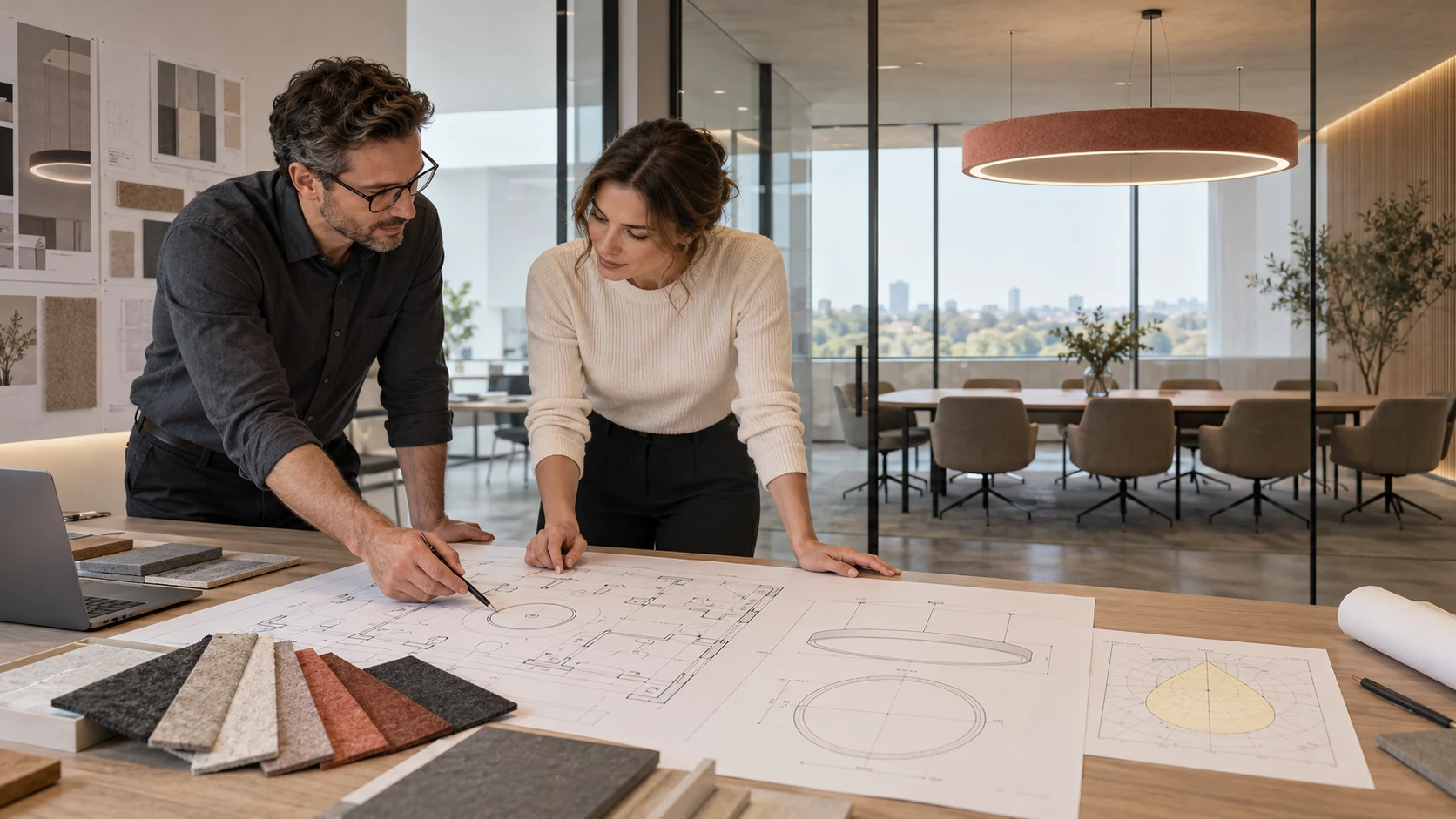
For FLOSEEK, the lesson applies beyond concert halls to listed offices, hospitality venues, cultural buildings and adaptive-reuse commercial interiors. Begin with an existing-conditions survey that records room geometry, hard and absorptive finishes, background and service noise, reverberation, speech needs, daylight and electric-lighting conditions, ceiling constraints and the activities that will change after occupancy. Pair those findings with heritage and user priorities so acoustic treatment is a deliberate intervention rather than a late response to complaints.
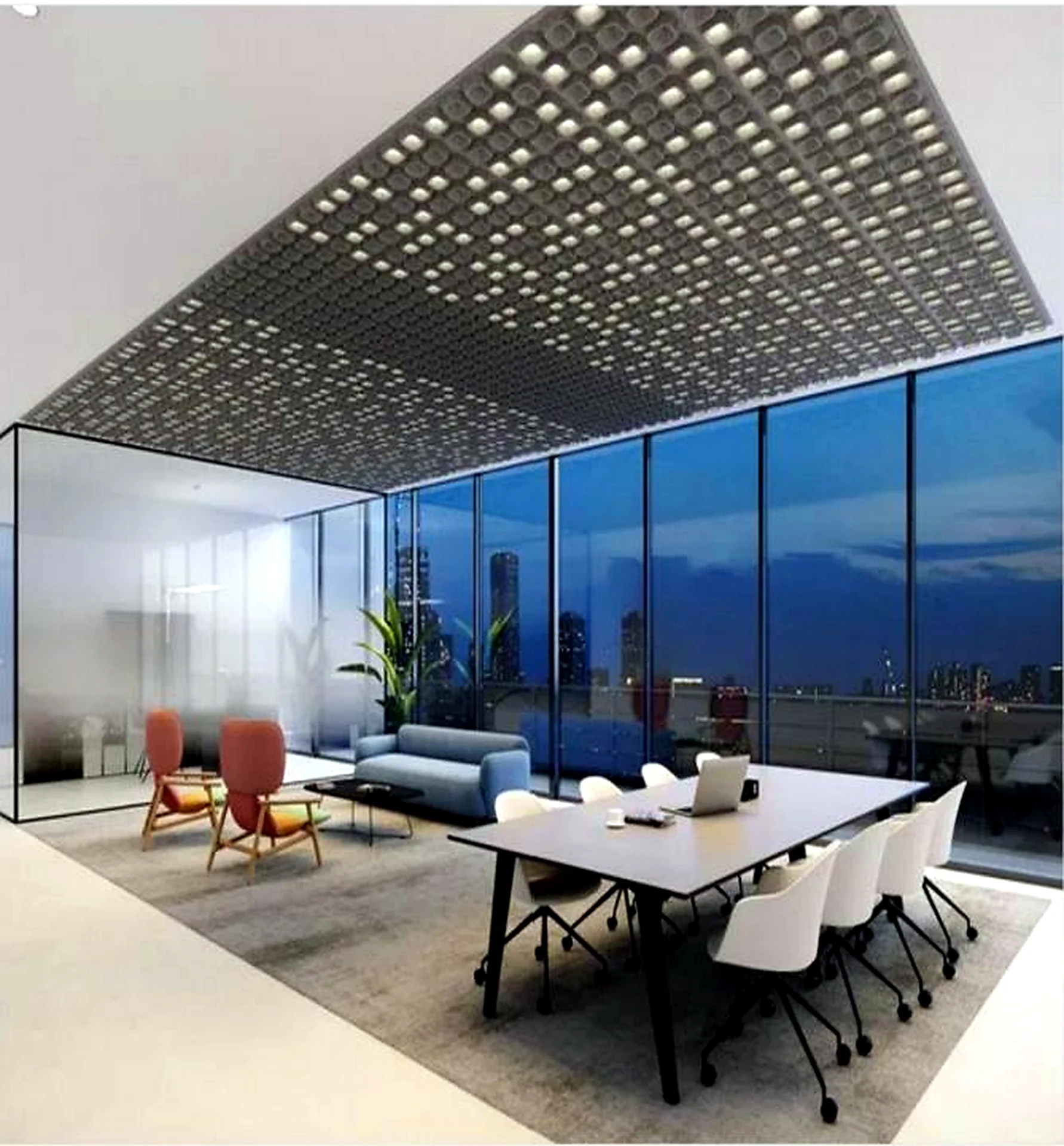
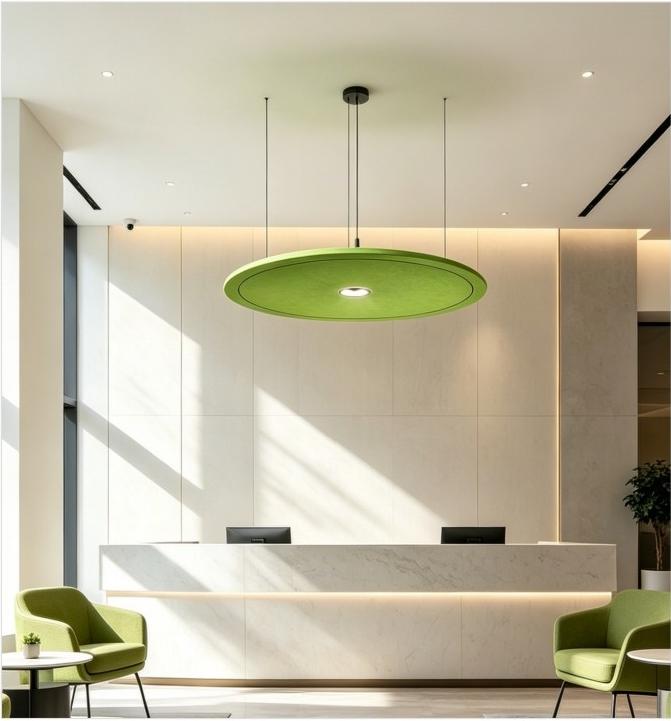
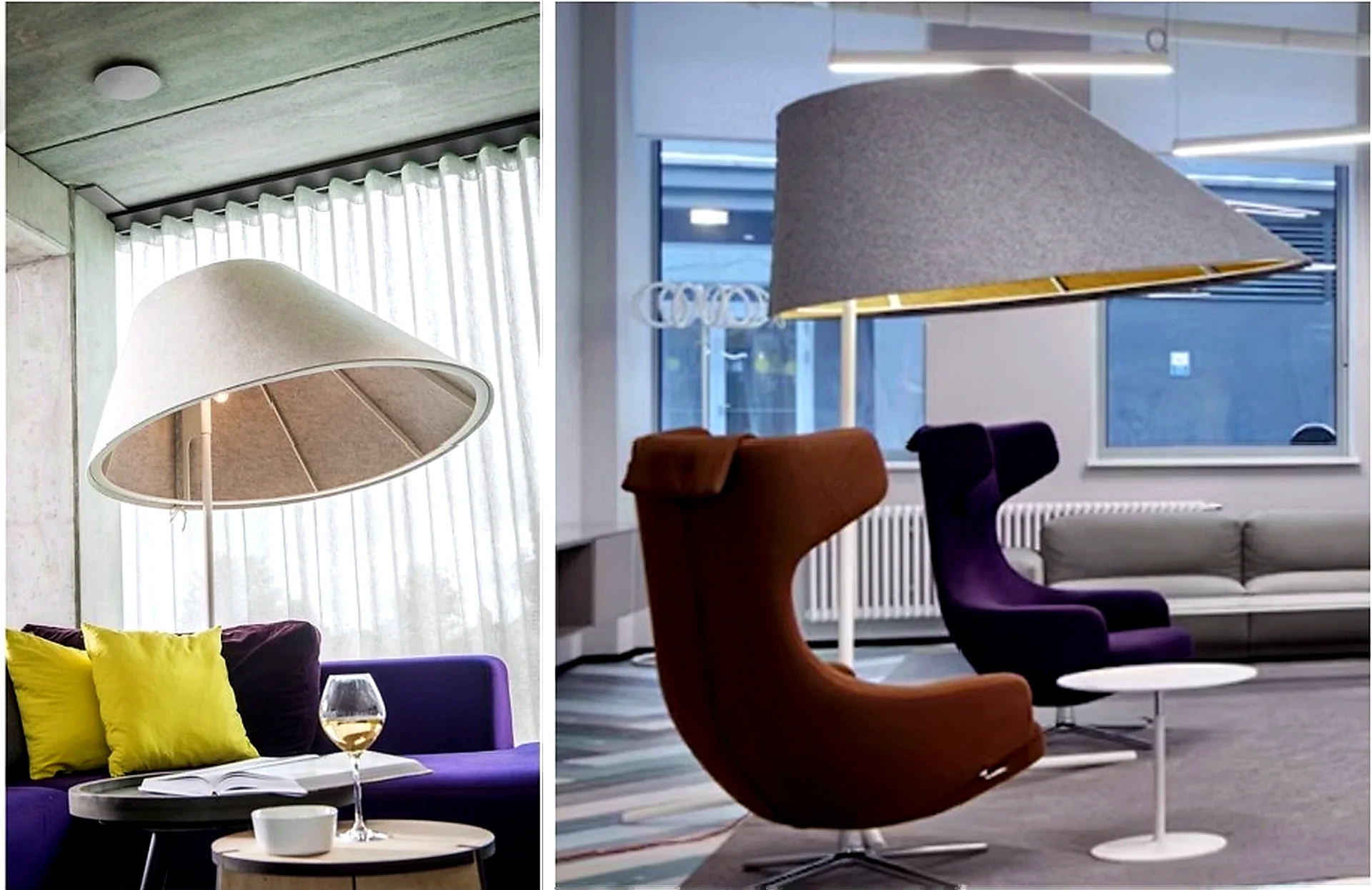
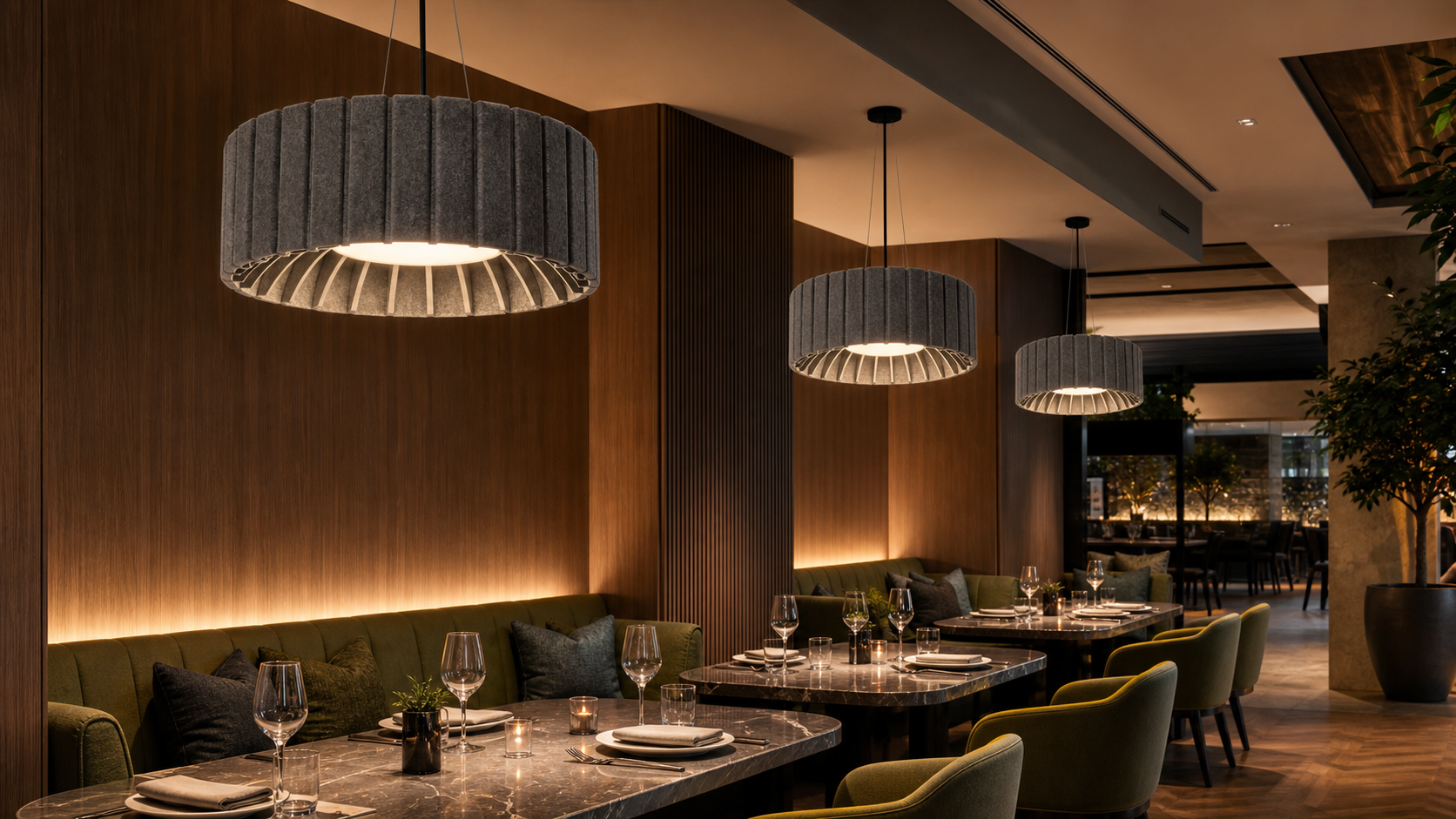
Acoustic lighting can provide useful ceiling-area absorption and controlled illumination where a retrofit needs to limit visual clutter or protect valued surfaces, but it is only one part of the room strategy. Coordinate fixture position, suspension depth, mounting loads, glare, optical distribution, controls, emergency provision, services, fire clearances and maintenance access with the acoustic concept. Require applicable product test data and project-level acoustic and lighting assessment; do not infer preservation or performance from appearance alone.
Impact on Acoustic Lighting
For suppliers, heritage-sensitive projects reward documentation that makes trade-offs clear. Provide product acoustic test information, photometry and glare data for integrated luminaires, dimensions and suspension loads, finishes and colour samples, fire and cleaning information, service-clearance drawings and reversible-installation options where applicable. That gives conservation, design, acoustic and MEP teams a common evidence base before selecting a visible ceiling intervention.
For B2B buyers, include both existing acoustic character and proposed user outcomes in the design brief. Ask bidders to identify the zones to retain, adapt or materially improve; state the expected uses, acceptance checks, lighting and controls requirements, access constraints and responsibility for commissioning. This turns an ambiguous request to preserve atmosphere into comparable design proposals that protect the qualities worth keeping while addressing communication, comfort and operational needs.
Apply This Trend
Need acoustic lighting options for a current project?
Send drawings, room type, target quantity, PET felt color, CCT and dimming needs. FLOSEEK can recommend project-ready acoustic lighting options.