Industry Source
Beyond Movable Walls: Acoustic Flexibility for Multi-Purpose Spaces
Published: July 2, 2026
View original sourceNews Summary
ArchDaily reported that acoustic flexibility is becoming a core design issue for multi-purpose spaces. The article looks beyond the simple idea of installing movable walls and argues that adaptable rooms need a broader acoustic strategy so they remain useful when the layout, occupancy level or activity type changes.
The feature emphasizes that partition systems, ceilings, surfaces and detailing all influence whether a space can support speech, privacy and comfort. When a room moves from a quiet meeting to a larger event or shared activity, acoustic weaknesses can become more obvious if reverberation, sound transmission and finish selection were not considered early.
For commercial interiors, the key signal is that flexibility must be designed as a performance condition, not only a furniture or partitioning decision. Adaptable offices, education rooms, hospitality venues and event spaces need material systems that can maintain comfort across multiple use cases.
- ArchDaily published the acoustic flexibility feature on July 2, 2026.
- The article focuses on multi-purpose interiors where walls, partitions and room layouts need to change without losing acoustic quality.
- It explains that adaptable spaces require attention to sound isolation, reverberation control and material choices beyond the movable wall itself.
- The feature points to commercial, education, hospitality and public interiors where one room may shift between meetings, events, collaboration and focused use.
FLOSEEK Interpretation
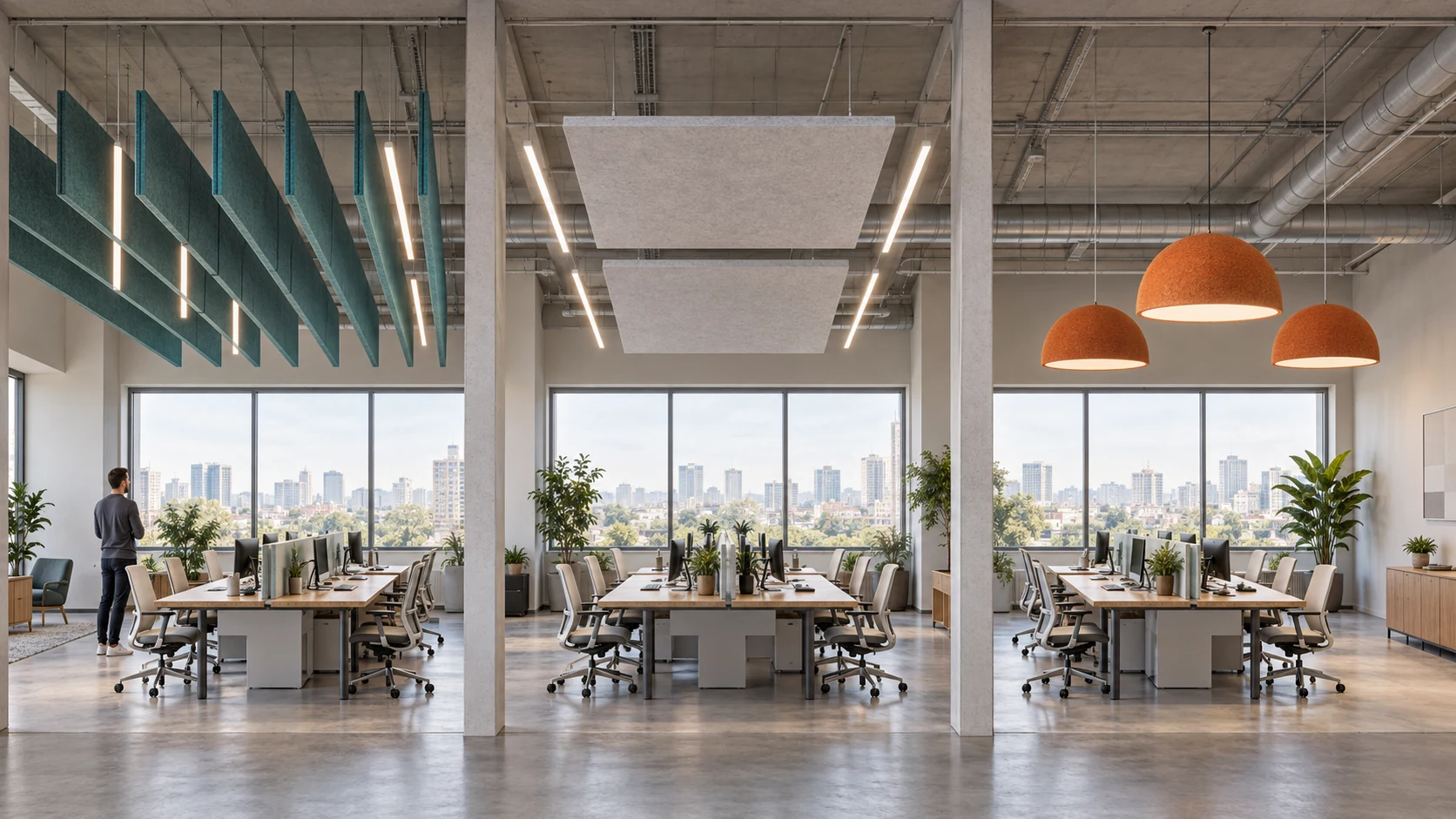
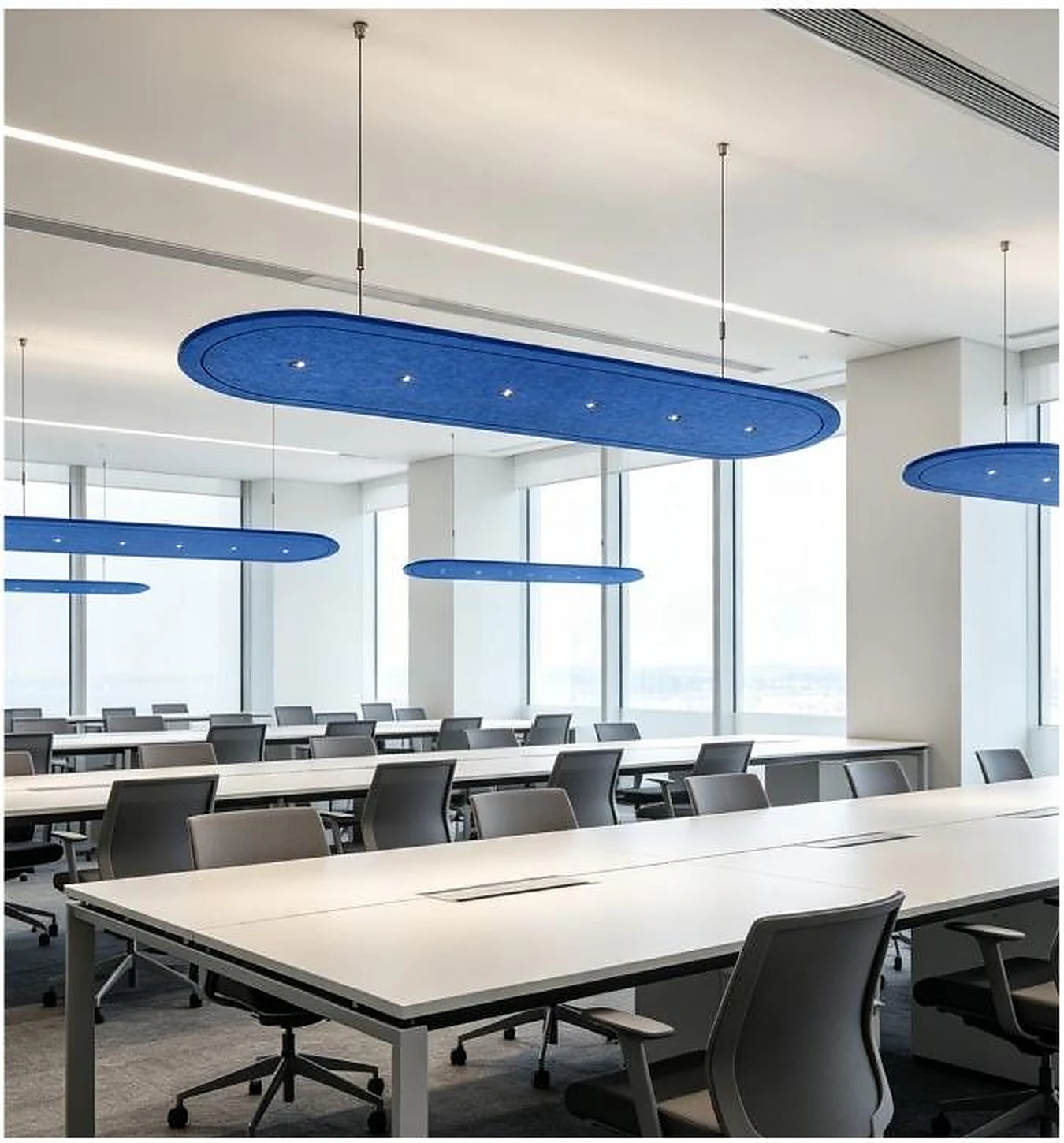
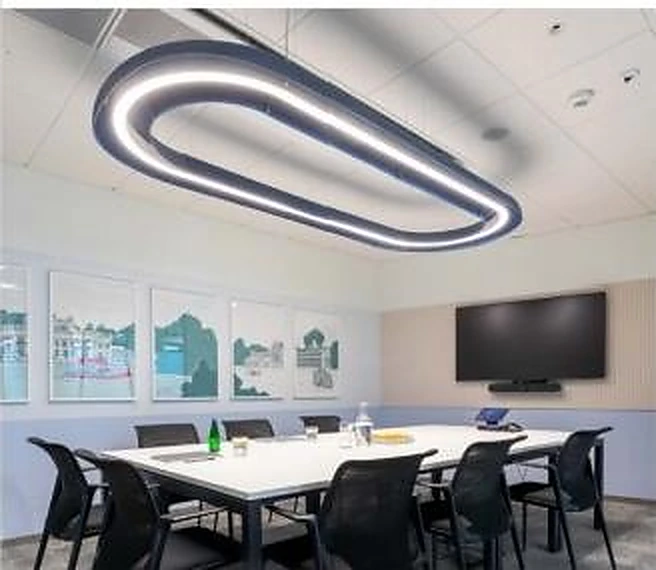
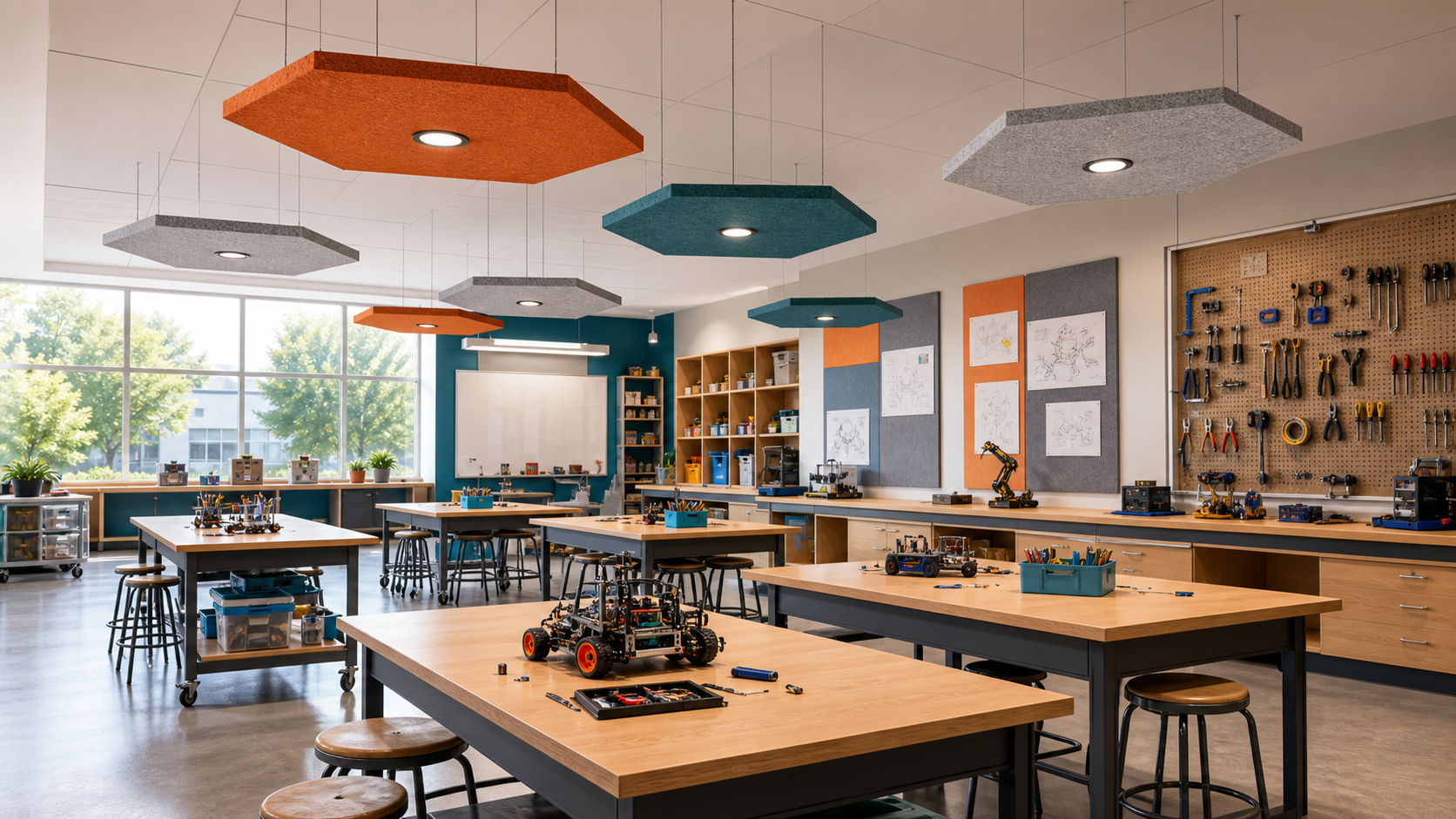
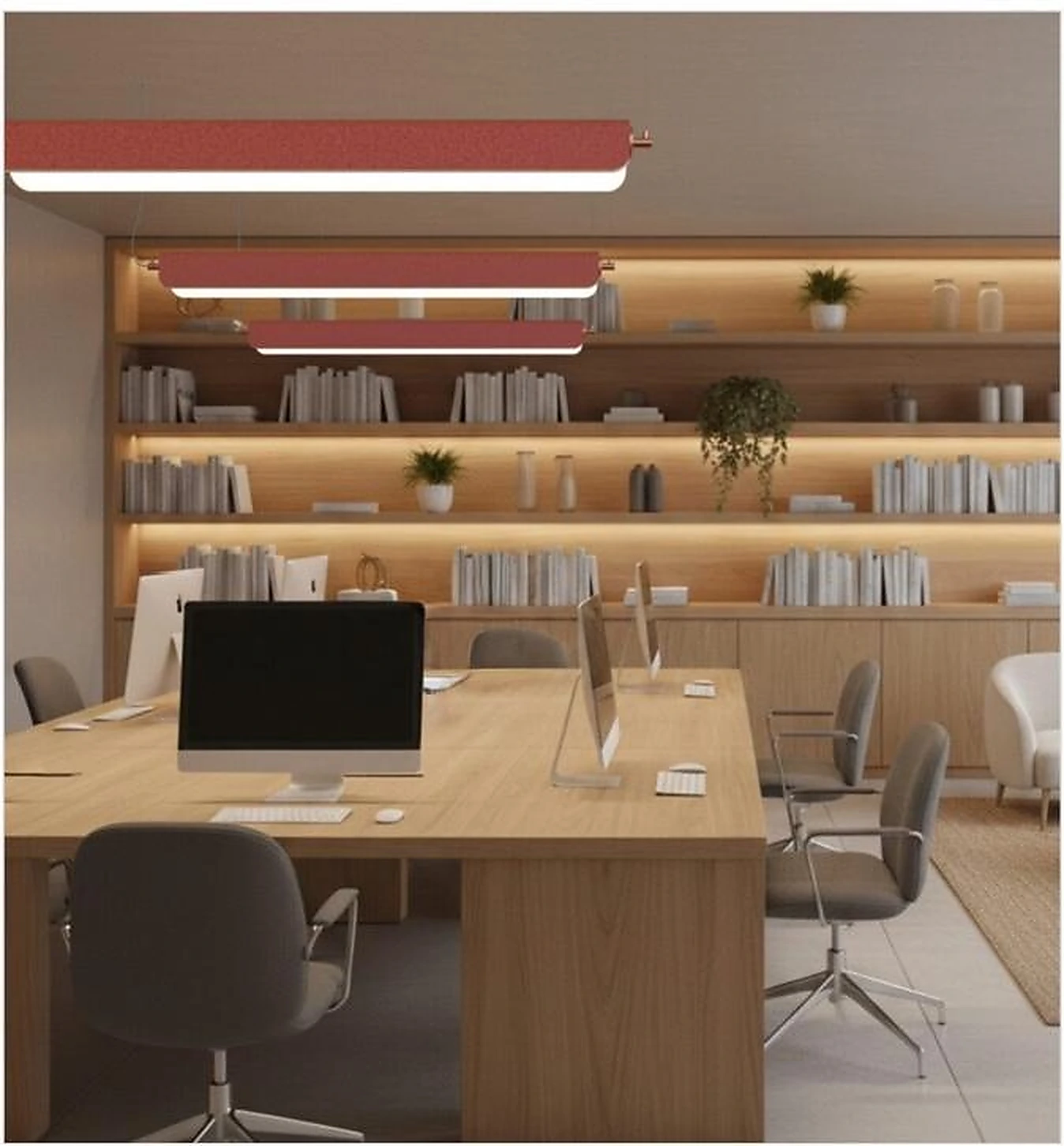
FLOSEEK reads this as a strong fit for acoustic lighting because flexible spaces often have limited room for separate ceiling treatments, decorative lighting and acoustic corrections. PET felt linear or pendant fixtures can help define zones while adding visible softness and useful absorptive surface where people meet, speak and collaborate.
The article also reinforces the importance of early coordination. If movable partitions, AV layouts, ceiling services and lighting are selected separately, the finished room may change shape without changing acoustic behavior. Acoustic lighting should therefore be discussed with room modes, suspension height, CCT, glare control, felt color and expected speaking activity in the same brief.
Impact on Acoustic Lighting
For acoustic lighting suppliers, adaptable commercial spaces create demand for products that are easy to specify by zone and scenario. Sales materials should explain how fixture length, felt surface area, mounting pattern, color and light distribution support meeting rooms, training rooms, lounges and mixed-use project spaces.
For B2B project buyers, the impact is a clearer RFQ process. Teams should share the room's operating modes, partition plan, ceiling height, occupancy range, target atmosphere, lighting controls and main noise concerns before selecting acoustic fixtures, so the solution supports flexibility instead of becoming a late-stage add-on.
Apply This Trend
Need acoustic lighting options for a current project?
Send drawings, room type, target quantity, PET felt color, CCT and dimming needs. FLOSEEK can recommend project-ready acoustic lighting options.