Industry Source
A New Chapter for Classroom Acoustics: ANSI Approves Revised S12.60 Part 1
Published: September 9, 2026
View original sourceNews Summary
ASA Standards reported on September 9, 2026 that the American National Standards Institute (ANSI) approved the revised ASA/ANSI S12.60 Part 1 for publication on August 31. The forthcoming document, Acoustical Performance Criteria, Design Requirements, and Guidelines for Schools, Part 1: Permanent Schools, will update the reference that ASA identifies as the current ASA/ANSI S12.60/Part 1-2010 (R2024).
The association says the new edition is intended to be an important resource for architects, engineers, acoustical consultants, school districts, contractors and facilities professionals working on permanent-school learning spaces. Its notice connects classroom acoustics with intelligible teacher communication, controlled background noise, appropriate reverberation and a building environment that supports communication, while emphasizing consistent measurements and criteria over subjective assessments of whether a room merely sounds better.
The ASA notice does not publish the revised standard's text, technical limits, transition dates, test results or project-specific design solutions; it says details of the changes will become available when the new edition is published. Buyers should therefore not treat the announcement as a substitute for the released standard, applicable codes, design-team analysis or project acceptance requirements.
- ASA Standards published its notice on September 9, 2026, reporting that ANSI approved the revised ASA/ANSI S12.60 Part 1 on August 31, 2026.
- The revised document is titled Acoustical Performance Criteria, Design Requirements, and Guidelines for Schools, Part 1: Permanent Schools.
- ASA says the revision is moving toward publication and will be a resource for professionals designing, constructing, evaluating and improving permanent-school learning spaces.
- The notice frames background noise, appropriate reverberation, clear teacher-to-student communication and consistent measurement criteria as central classroom-acoustics concerns.
FLOSEEK Interpretation
For FLOSEEK, the immediate action is a specification checkpoint rather than a premature product substitution. For new schools, renovations and learning-space upgrades, record the planned activities, room volumes, occupancy, speech and listening needs, noise sources, ceiling and wall finishes, available treatment area, lighting targets, glare expectations, service constraints and verification method. Once the revised document is available, have the project acoustician and design team identify the applicable clauses and convert them into the project's performance brief.
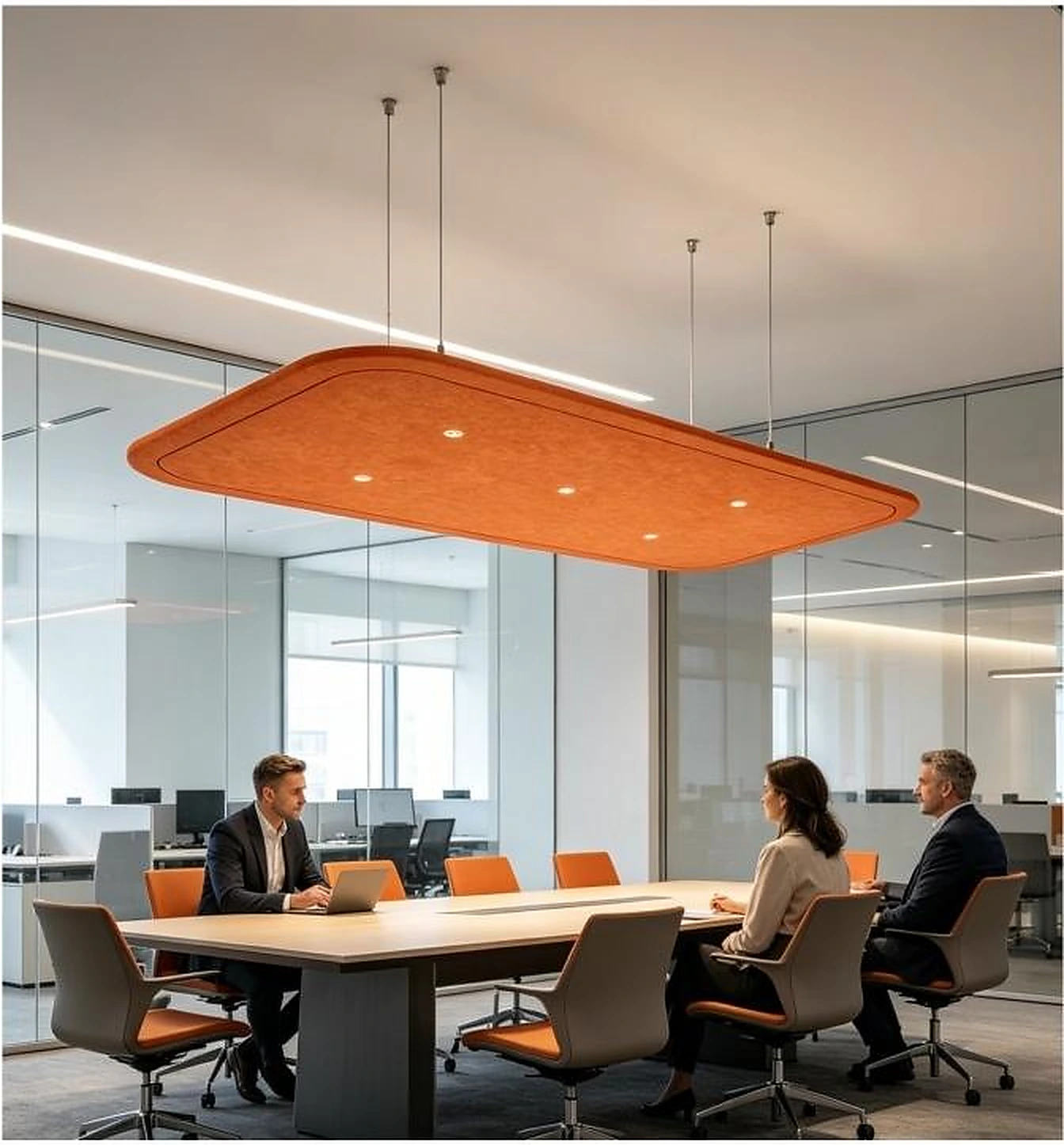
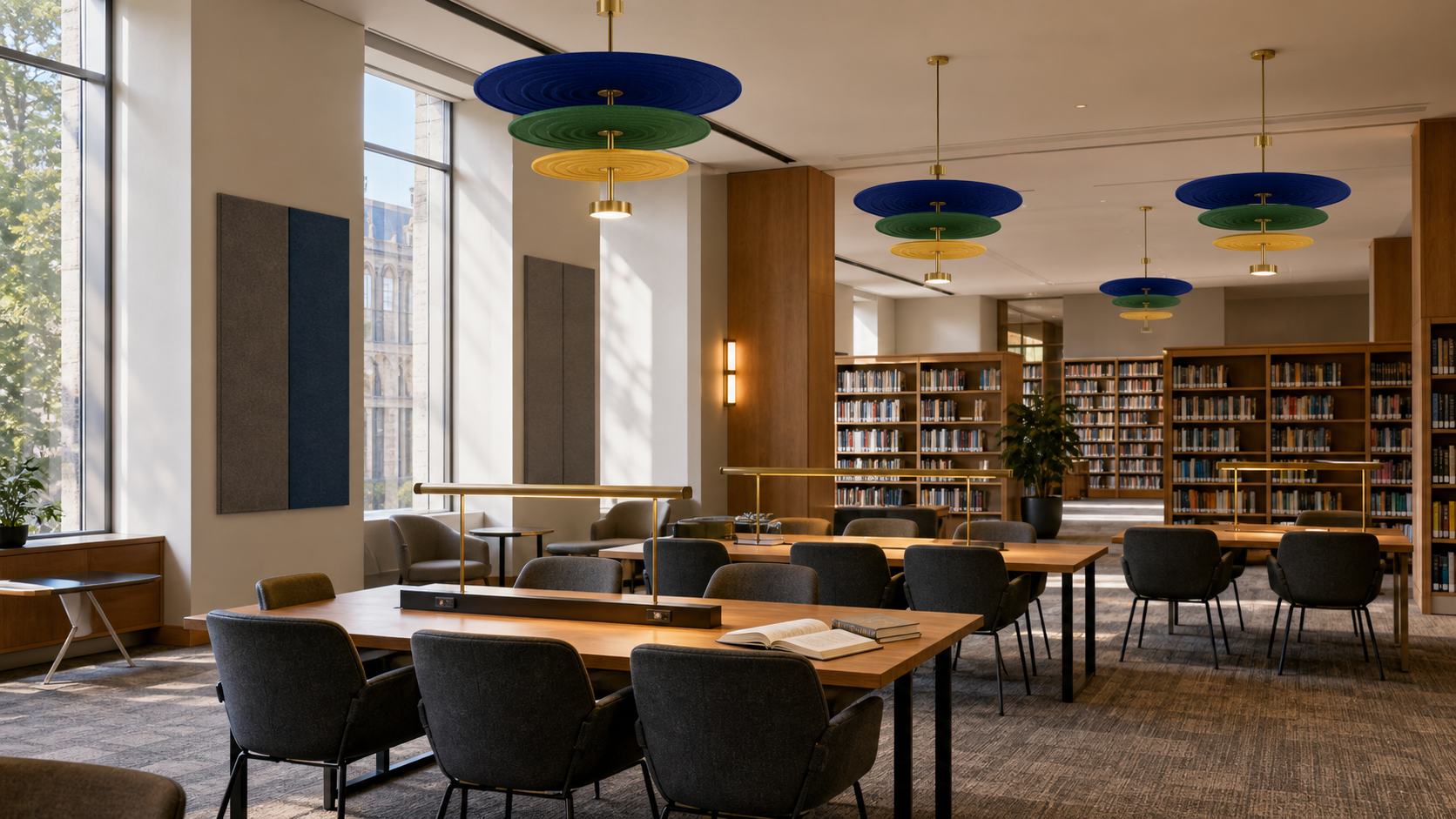
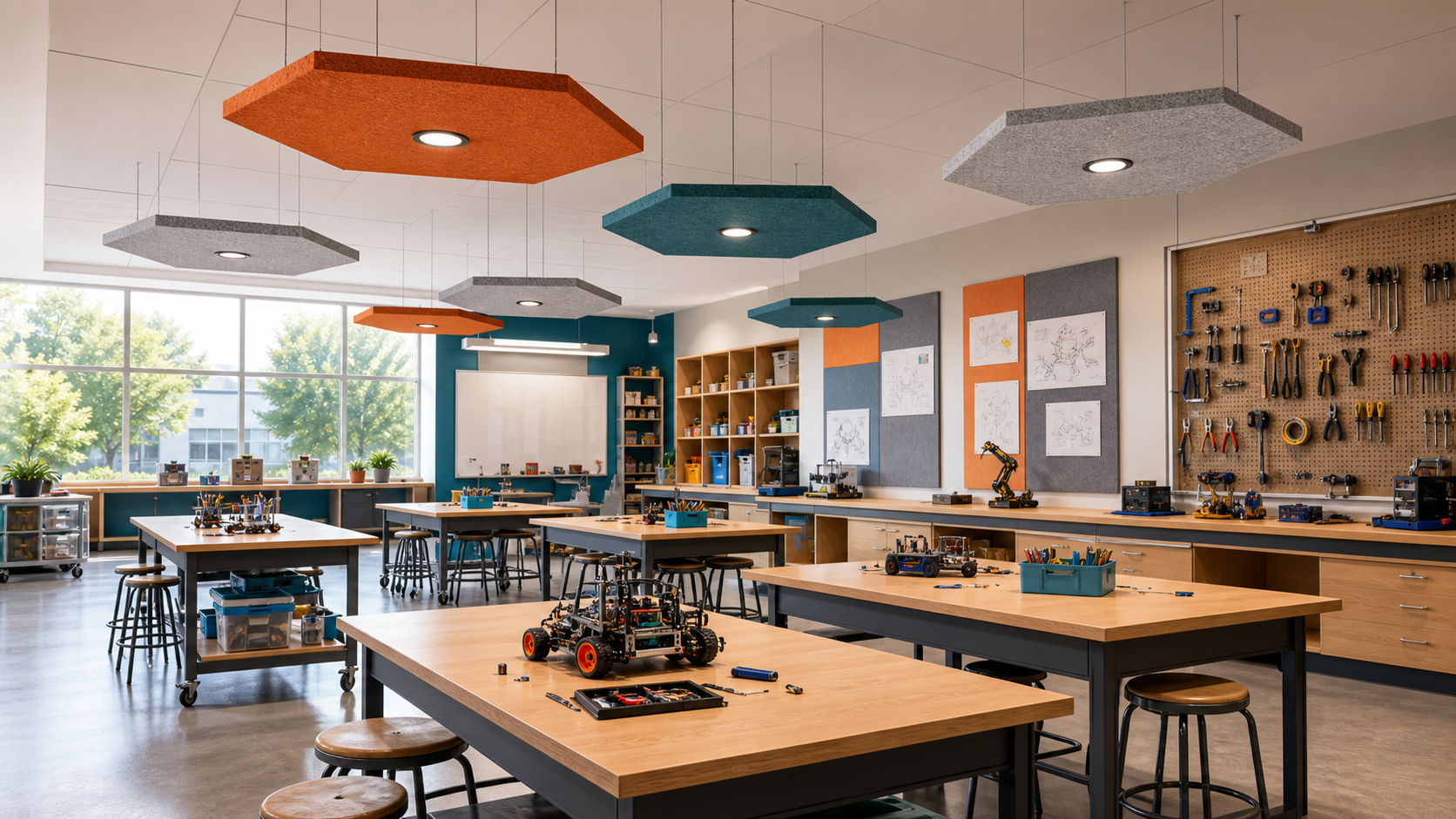
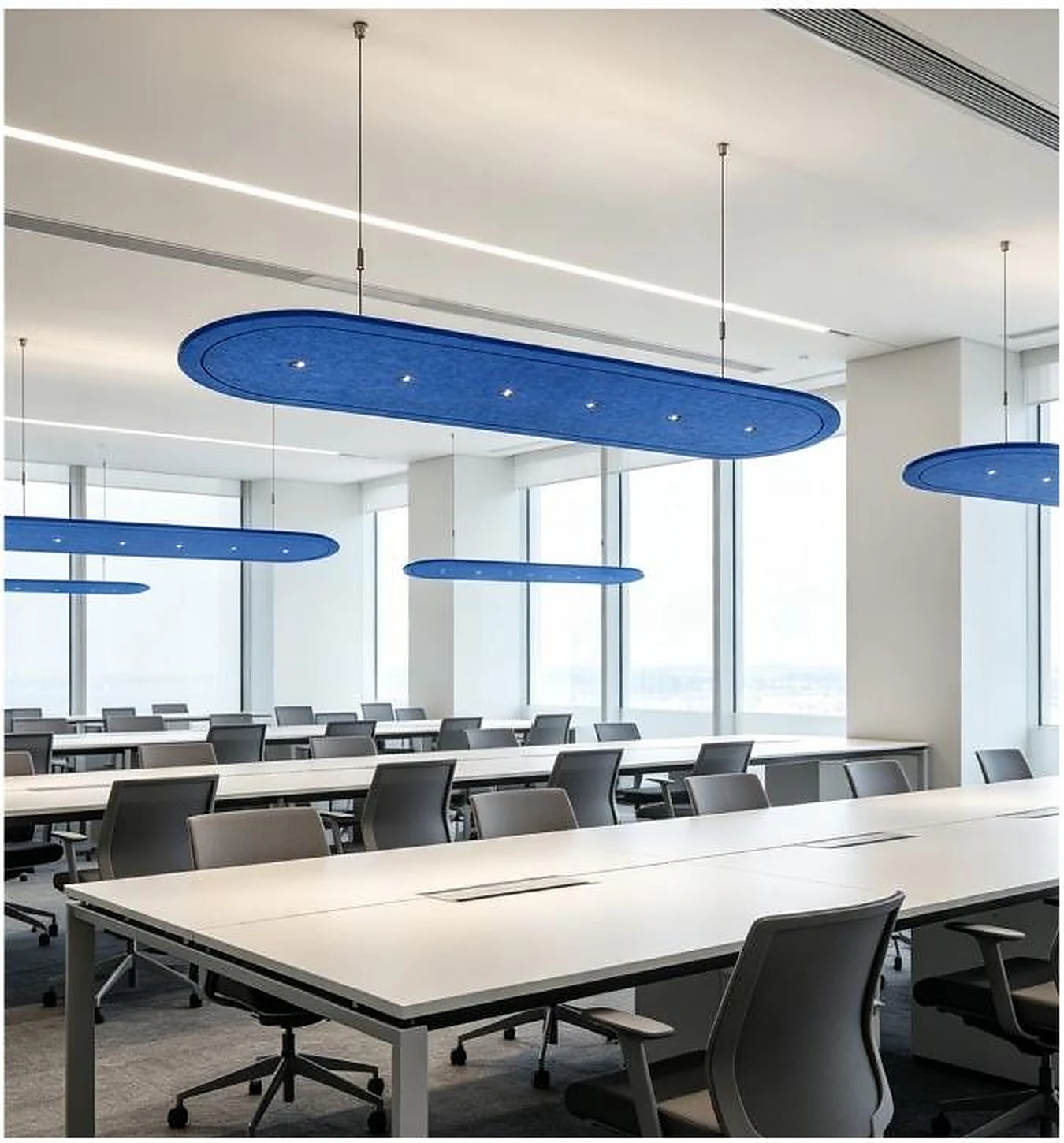
Acoustic lighting may add illumination and absorptive surface in the ceiling zone, which can be valuable where educational spaces need acoustic treatment without losing usable wall area. It does not by itself establish compliance with a classroom standard or resolve sound isolation, HVAC noise, doors, glazing or flanking paths. Coordinate luminaire coverage with wall and ceiling treatments, HVAC, sprinklers, AV, access panels and maintenance routes, then confirm product-specific acoustic data, photometry, glare, controls, mounting and fire documentation where applicable.
Impact on Acoustic Lighting
For suppliers, the transition to a revised classroom-acoustics reference is an opportunity to make technical submittals easier to evaluate. Provide product-specific acoustic test data, installation coverage assumptions, dimensions, weights, fixing and substrate requirements, finish and cleaning options, fire documentation where applicable, lead times and maintenance information. Acoustic-lighting proposals should additionally state photometry, glare, dimming and control compatibility, electrical and suspension details, clearance zones and how the solution interfaces with ceiling services.
For B2B buyers, include a standards-review milestone in the education-project programme and ask bidders to distinguish documented product characteristics from claims of whole-room or whole-building compliance. Tender information should identify the final applicable standard and codes, room use and geometry, acoustic goals and acceptance method, lighting levels and glare conditions, adjacent-space privacy needs, reflected-ceiling constraints and programme. This gives acoustics, lighting, architecture, AV and MEP teams a common brief before procurement locks in the ceiling layout.
Apply This Trend
Need acoustic lighting options for a current project?
Send drawings, room type, target quantity, PET felt color, CCT and dimming needs. FLOSEEK can recommend project-ready acoustic lighting options.