
Industry Source
Acoustic Felt for Studios, Cinemas and Open-Plan Offices
Published: October 1, 2026
View original sourceNews Summary
Edward Clay & Son published “Acoustic Felt for Studios, Cinemas and Open-Plan Offices” on October 1, 2026. The supplier presents needle-punch acoustic felt as a material for several interior types, including open-plan workplaces, and describes suspended baffles, wall panels and acoustic screens as possible forms. This is first-party educational content, not an independently verified comparison, a measured room result or a case study of a completed office.
The company explains that porous, dense fibrous felt can dissipate sound energy and says it can reduce reverberation, support speech intelligibility and make background noise less fatiguing. In its workplace framing, Edward Clay & Son points to hard floors, glazed partitions and high occupancy as factors that can make noise more relevant. Those are useful prompts for a design brief, rather than evidence that a particular felt application will meet a project’s acoustic objective.
The article says a felt panel’s performance depends on density, thickness and fibre-matrix structure, with thicker, denser felt presented as more effective at lower frequencies and thinner panels at mid and high frequencies. It does not name a tested product configuration, absorption coefficient, mounting, coverage, room geometry, sound source, reverberation measurement, fire-classification report, VOC certificate, project cost or post-occupancy outcome. Buyers should therefore request configuration-specific evidence before treating the article’s material discussion as a project prediction.
- Edward Clay & Son published its article on October 1, 2026, presenting needle-punch acoustic felt for studios, screening rooms, open-plan offices and hospitality or public interiors.
- The supplier says porous, dense fibrous felt dissipates sound energy and can reduce reverberation, supporting speech intelligibility and a less fatiguing background-noise environment.
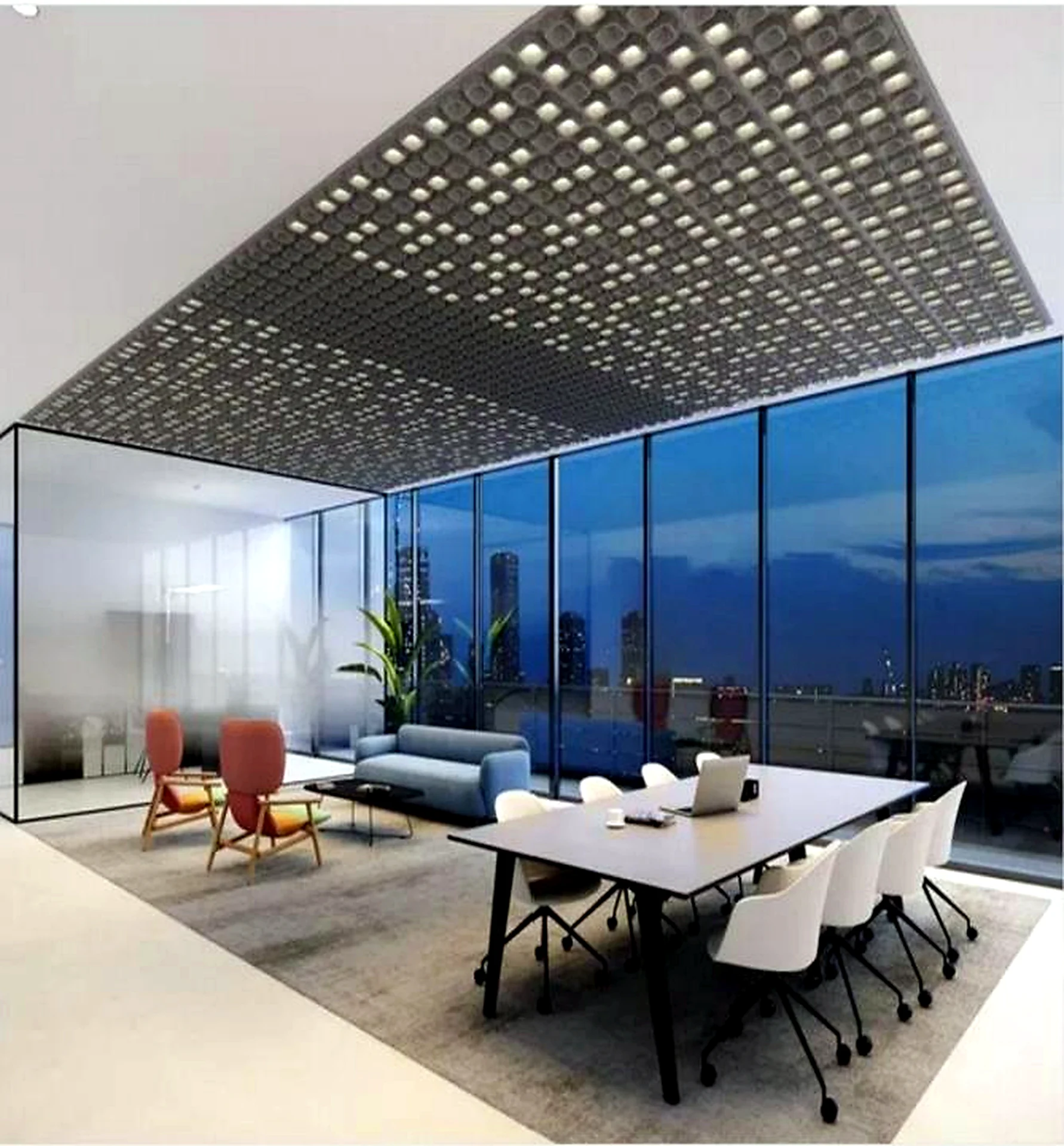
- For open-plan offices, the article identifies hard floors, glass partitions and high occupancy as noise contributors, and names suspended baffles, wall panels and acoustic screens made with felt wadding as possible treatment forms.
- Edward Clay & Son says performance depends on the felt’s density, thickness and fibre-matrix structure. The article does not publish a product grade, test report, mounting condition, coverage, room measurement, cost or completed-project result.
FLOSEEK Interpretation
For FLOSEEK buyers, this article is a reminder to turn the broad request for a quieter open office into a coordinated scope. Set the zone use, occupancy, speech and privacy needs, noise sources and paths, room geometry, hard finishes, ceiling and wall availability, HVAC and AV noise, daylight, visual-comfort targets, maintenance and acceptance method. Then compare treatment locations and quantities against the room rather than selecting a panel, baffle or screen solely from a material description.
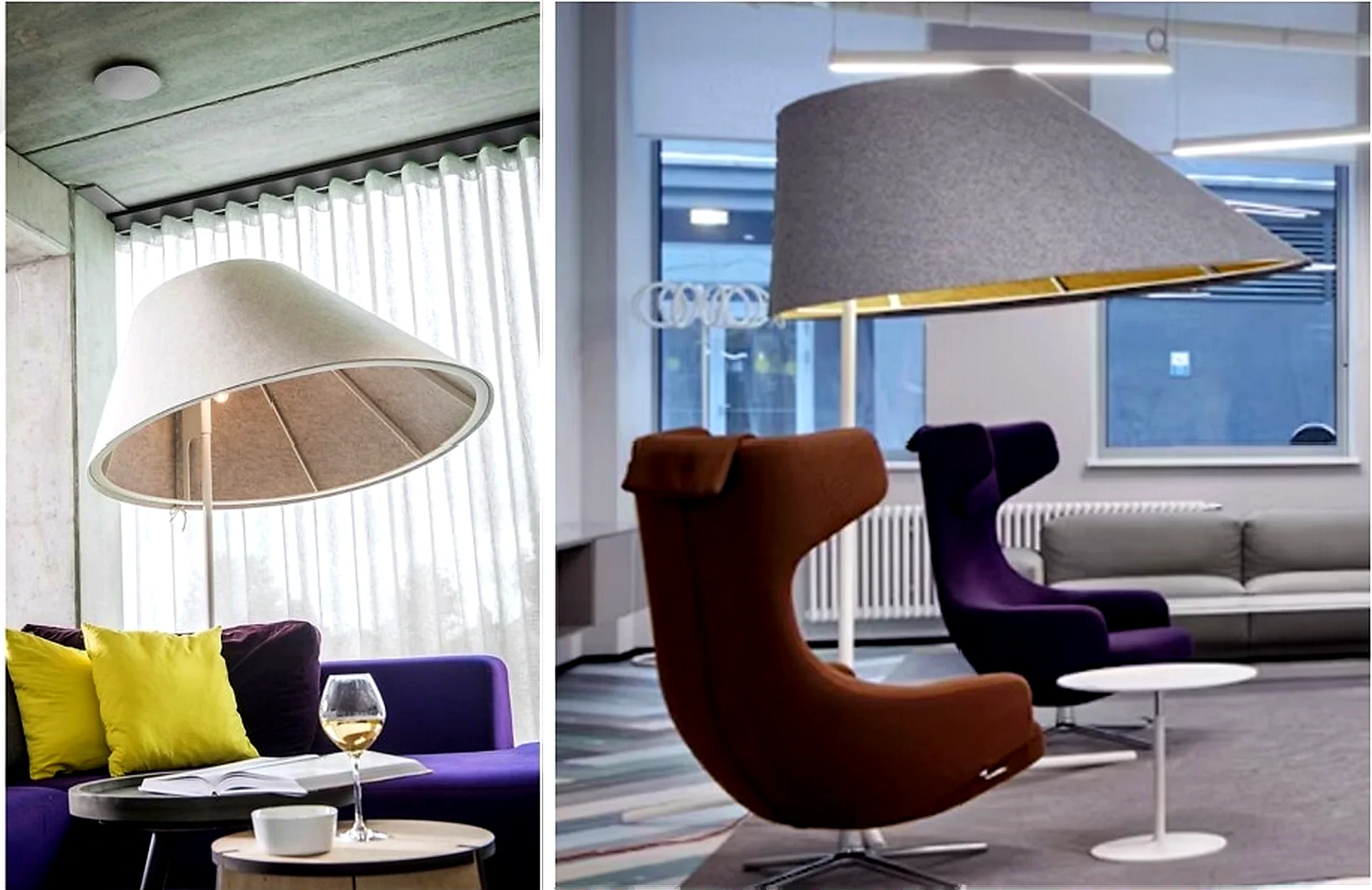
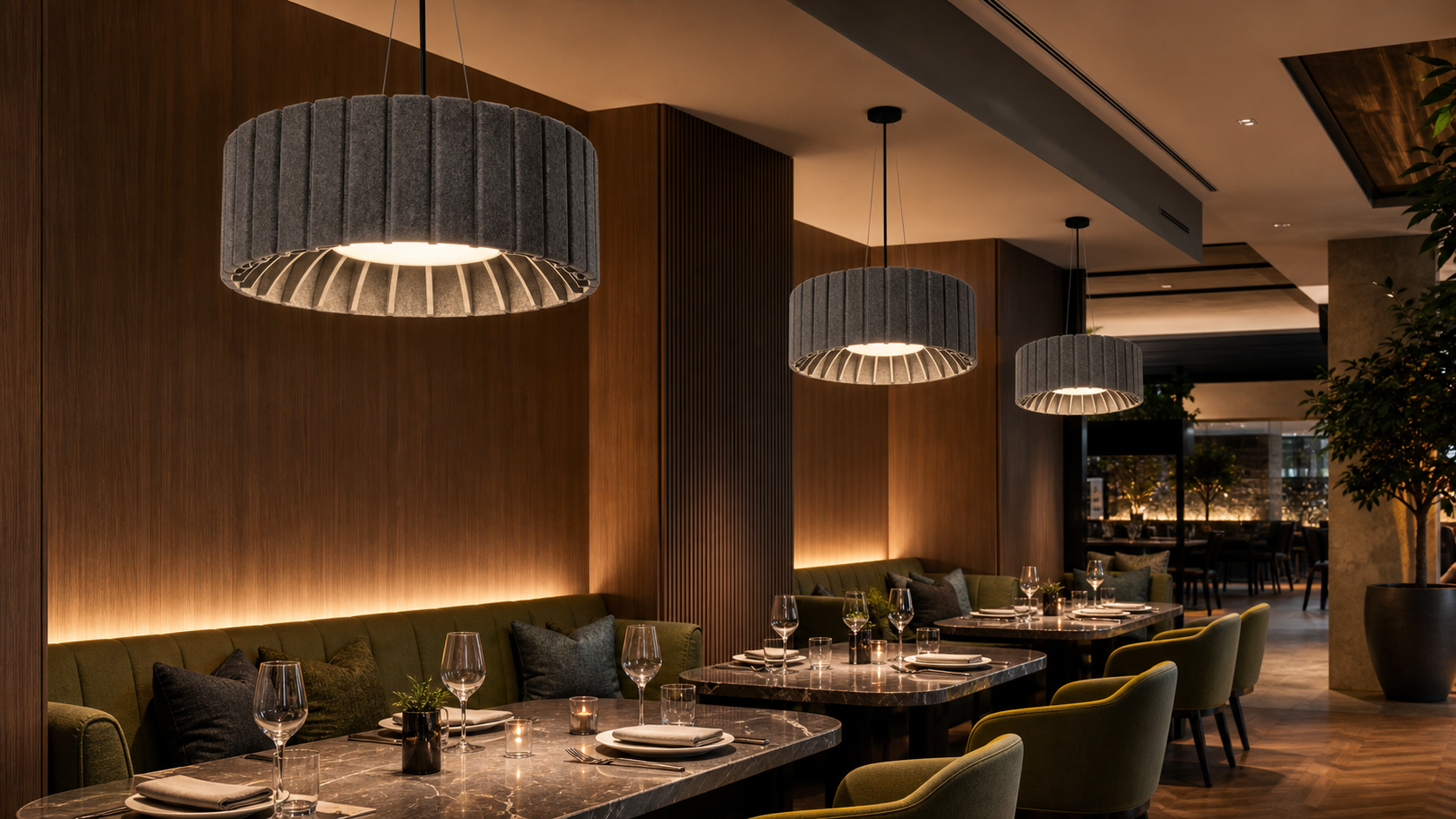
Acoustic lighting can add illumination and an absorptive ceiling surface, but it should not be assumed to replicate a wall treatment, floor-standing screen or general felt system. Request separately the selected luminaire’s tested acoustic assembly and mounting condition, photometry and glare information, electrical and controls data, suspension, dimensions, service access, finishes and applicable compliance evidence. The project team still needs a room-specific sound-and-light design check.
Impact on Acoustic Lighting
For acoustic-material and lighting suppliers, the news reinforces the need for traceable, configuration-level submittals. Name the material stack, thickness, density, tested acoustic result and mounting condition; describe coverage and positioning assumptions; and keep fire, emissions, cleaning, maintenance, dimensions, weights and installation interfaces clear. Where a luminaire is integrated, document lighting and electrical performance separately from the acoustic evidence.
For B2B buyers, tender acoustic surfaces and acoustic luminaires as parts of one coordinated interior package, with clear boundaries. Ask bidders to state what their product evidence establishes, what requires project-specific calculation or measurement, and who owns coordination with ceiling services, lighting, controls, access and commissioning. That approach makes room for material-health and sustainability objectives without substituting generic claims for performance verification.
Apply This Trend
Need acoustic lighting options for a current project?
Send drawings, room type, target quantity, PET felt color, CCT and dimming needs. FLOSEEK can recommend project-ready acoustic lighting options.