Industry Source
I See Dead Lighting: The Hotel Industry’s Blind Spot
Published: August 24, 2026
View original sourceNews Summary
In an August 24, 2026 LightNOW guest article, Yash Rathod, Design Director at Mario Contract Lighting and Vice President of the IES Roanoke Chapter, argues that much hospitality lighting is operational but experientially flat. He calls this condition ‘Dead Lighting’: fixed-colour-temperature luminaires, basic on/off controls and layouts that do not respond to time, occupancy or the guest’s arrival and recovery needs.
The article locates the issue in the project process as much as in the fixture itself. Rathod points to compressed budgets, removed dimming capability, simplified controls and lighting briefs dominated by conventional technical schedules. He contrasts that approach with interior and acoustic design processes that increasingly consider a guest’s emotional journey and the way a space feels at different moments.
Rathod’s proposed direction is responsive lighting that changes through the day and supports a calmer transition from check-in to rest. His observations are design guidance, not a performance study or a universal specification rule. They nevertheless reinforce that hospitality lighting needs an agreed operational story, alongside visual comfort and code compliance, before products are selected.
- LightNOW published guest author Yash Rathod’s hospitality-lighting commentary on August 24, 2026.
- The article describes much hotel-room lighting as technically functional but static: fixed colour temperature, simple on/off switching and limited responsiveness to guest needs.
- Rathod links this condition to value-engineering decisions, conventional fixture schedules and briefs focused on watts, lux, CRI and IES files rather than an experiential journey.
- The author advocates for more responsive, circadian-aware lighting and notes that some hospitality brands have begun incorporating this approach into their design language.
FLOSEEK Interpretation
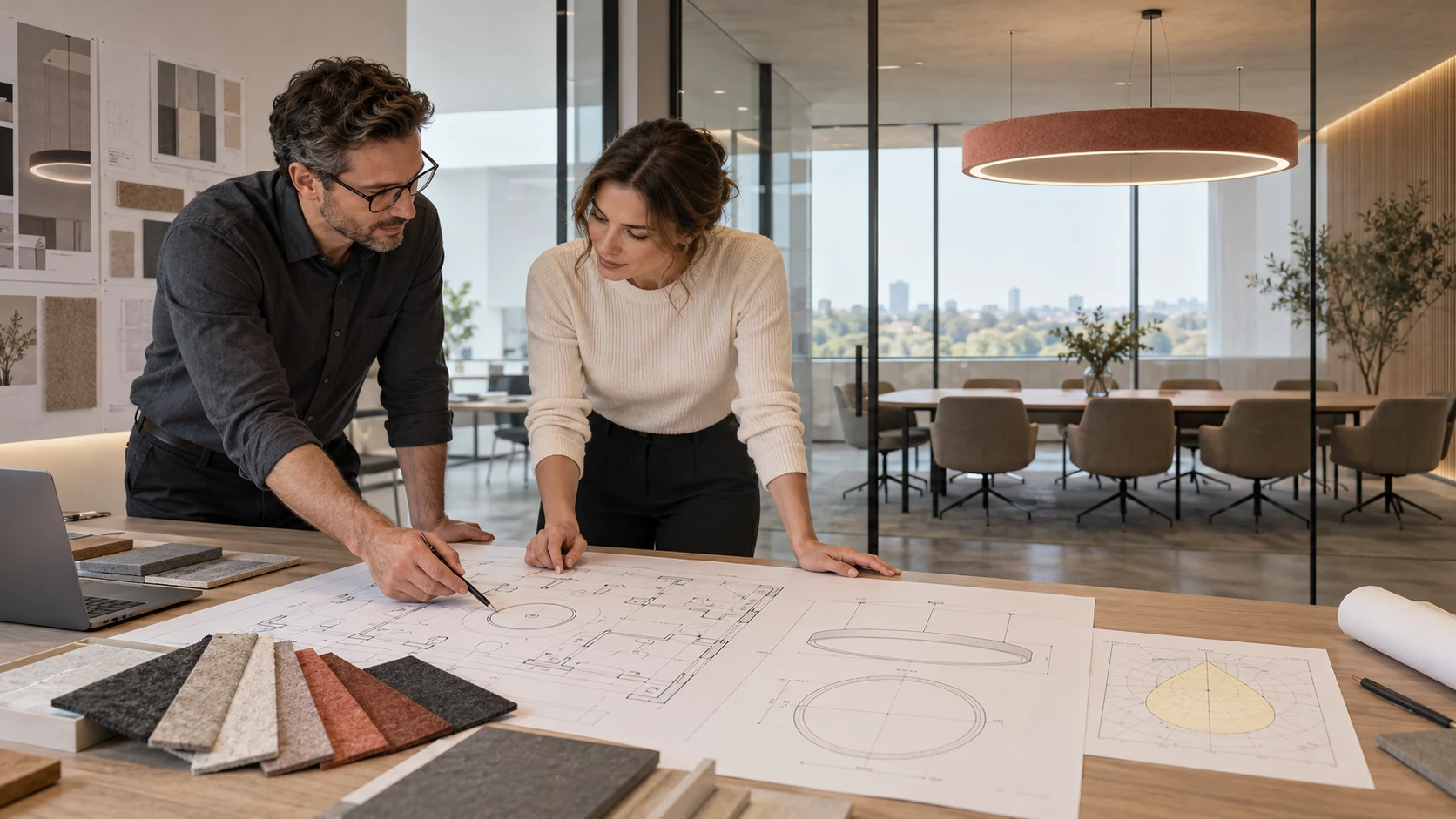
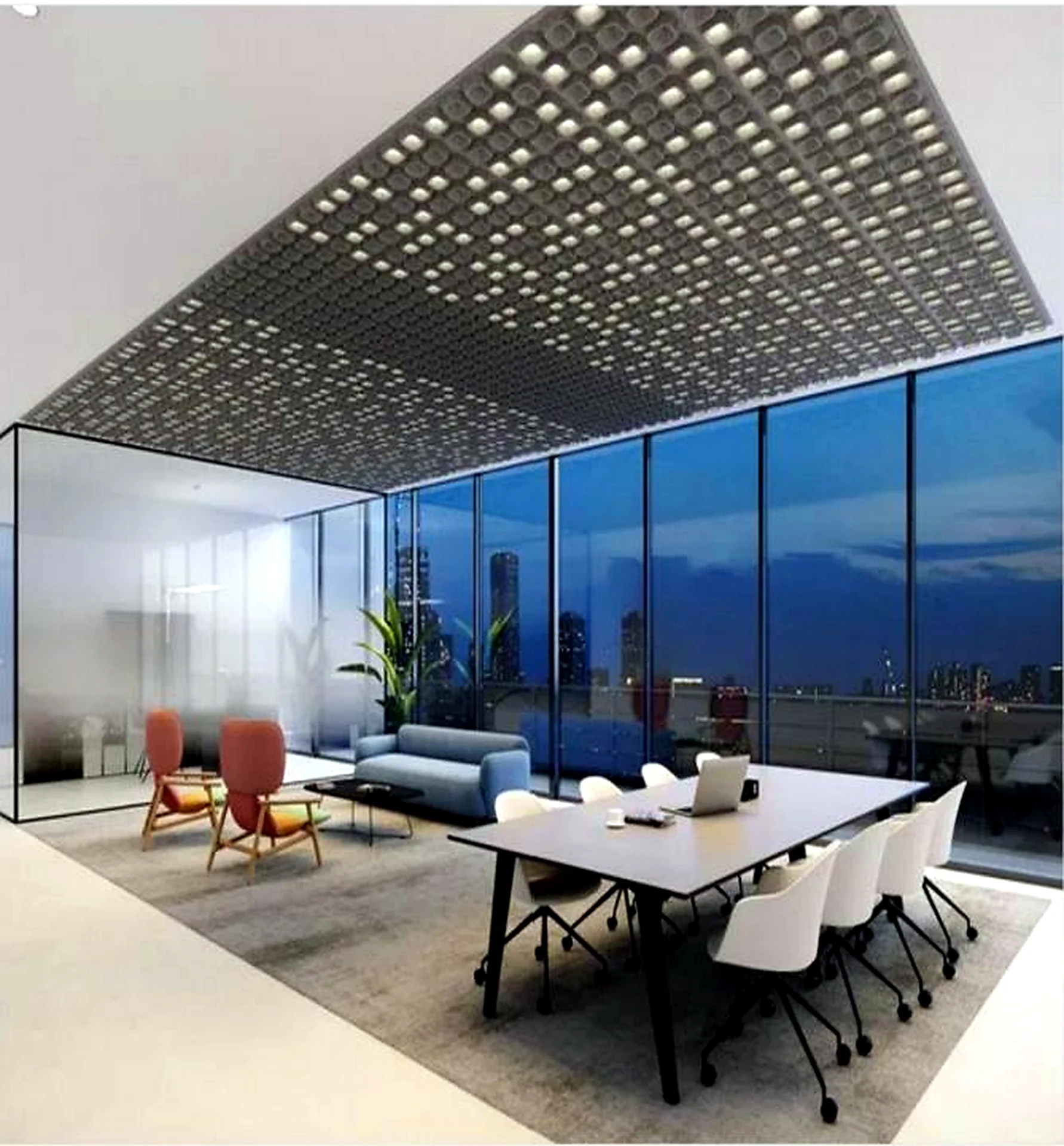
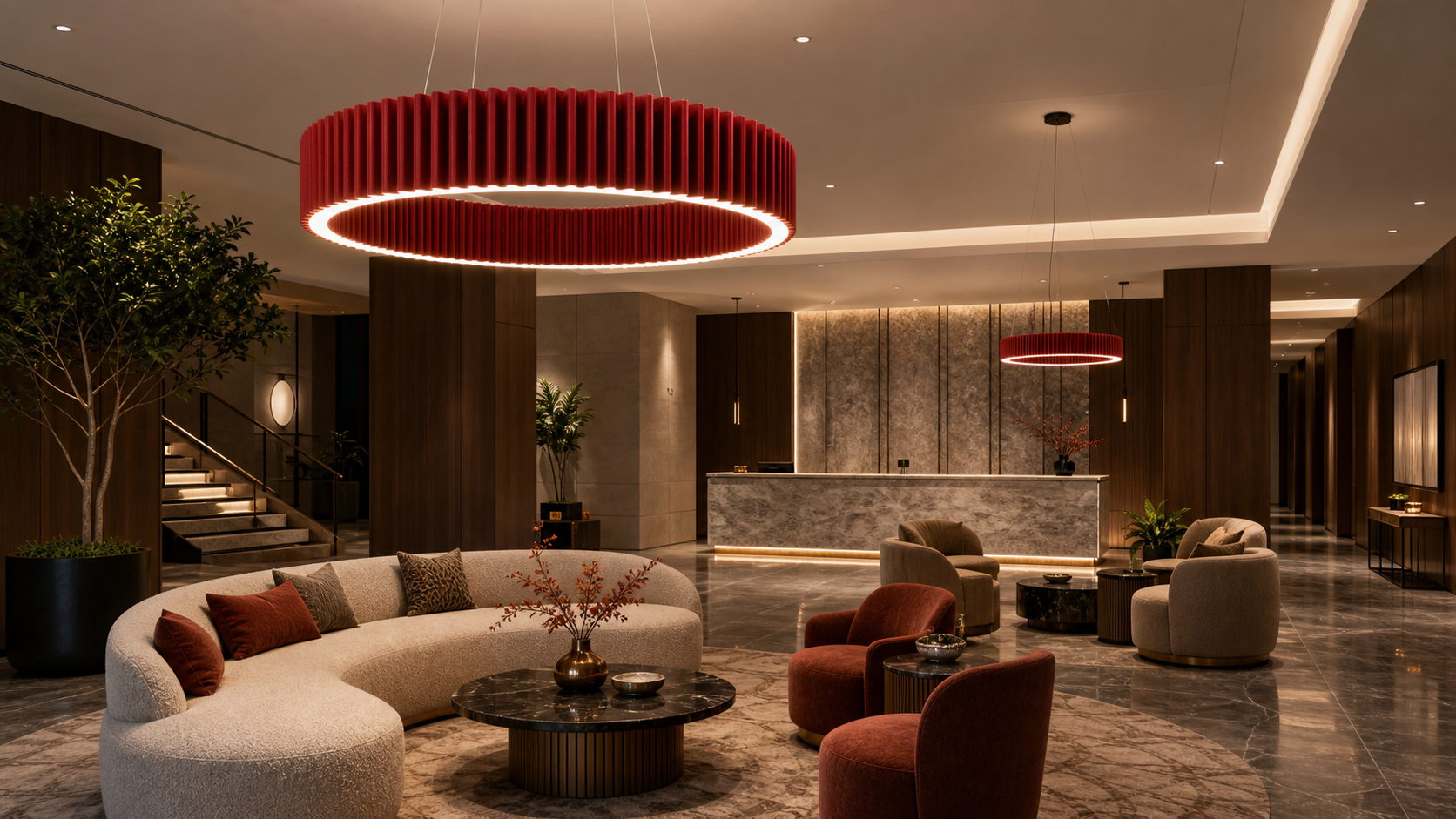
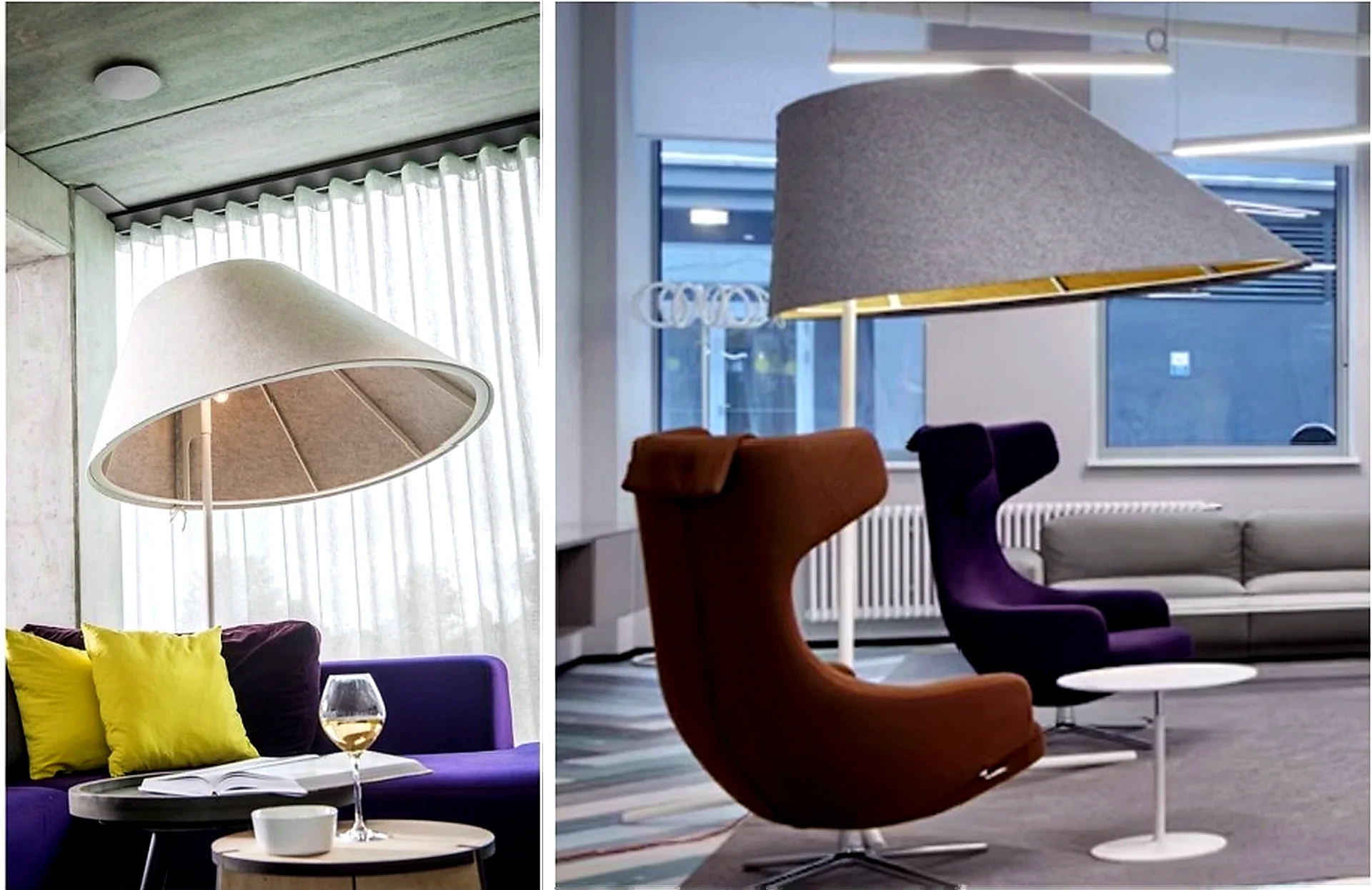
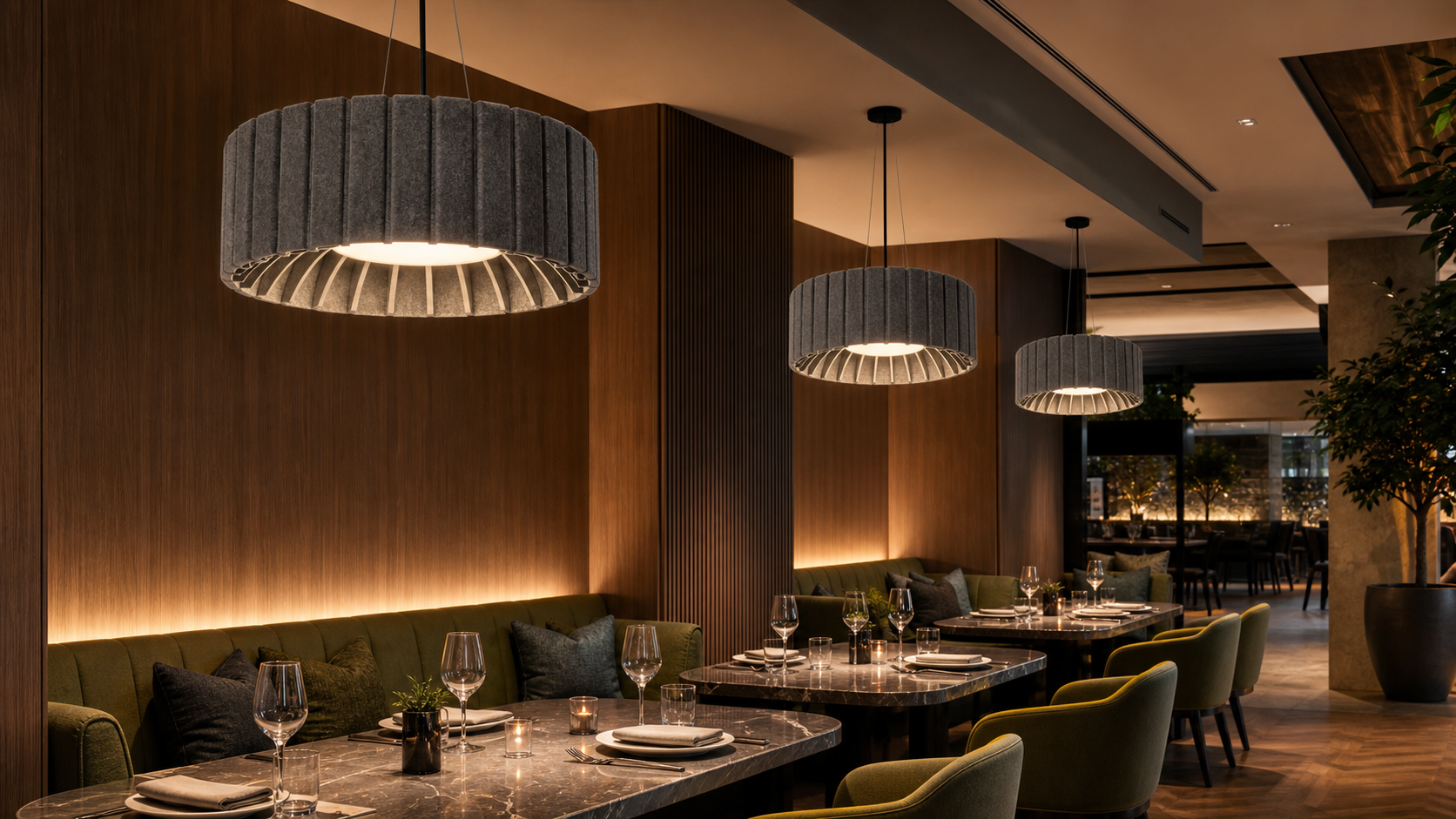
For FLOSEEK, the practical lesson is to write a hospitality ceiling brief around the guest journey, not only around fixture counts. Arrival, reception, lounge, restaurant, corridor and guest-room scenes each need an intended atmosphere, illumination level, colour-temperature approach, control sequence and maintenance plan. Acoustic-lighting elements can contribute a soft visual presence and added absorption in shared spaces, but their placement must follow the room’s actual noise sources and conversation patterns.
Acoustic lighting is especially relevant where hard hospitality finishes—glass, stone, timber, tile and exposed structure—make the visual concept compelling but leave little inherent absorption. The lighting fixture should be coordinated with wall treatments, upholstery, curtains, ceiling height, HVAC noise and partitions. Dynamic control can support a changing mood, while the acoustic design still requires room-level assessment; neither function is a substitute for the other.
Impact on Acoustic Lighting
For suppliers, this raises the value of scene-ready product information. Beyond photometry, provide dimming and control compatibility, available CCTs, glare and distribution data, suspension details, acoustic test documentation, cleanability and service access. A concise control narrative for each hospitality zone helps the design team evaluate whether a fixture supports the intended experience as well as the reflected-ceiling plan.
For B2B buyers, ask the lighting, interior and acoustic teams to agree on zones before procurement: the guest activity, ambient and task-light hierarchy, scene transitions, speech and reverberation concerns, finish palette, ceiling-service constraints and commissioning responsibility. Then request lighting calculations and an acoustic strategy for the complete space. This reduces late substitutions that preserve a visual look but undermine comfort, controls or maintainability.
Apply This Trend
Need acoustic lighting options for a current project?
Send drawings, room type, target quantity, PET felt color, CCT and dimming needs. FLOSEEK can recommend project-ready acoustic lighting options.