Industry Source
Meyer Sound Brings NADIA Platform to National Sawdust
Published: October 7, 2026
View original sourceNews Summary
Meyer Sound published “Meyer Sound Brings NADIA Platform to National Sawdust” on October 7, 2026. The manufacturer says Brooklyn venue National Sawdust upgraded its active-acoustics and spatial-audio infrastructure over the summer, replacing D-Mitri with NADIA processing and adding a Galileo GALAXY 816 Network Platform. The system continues the venue’s use of Meyer Sound Constellation active acoustics while adding Spacemap Go for spatial mixing.
According to the article, NADIA operates on a Milan AVB network and separates the processing path for Constellation from the path for amplified audio. National Sawdust’s team can use show control to cue changes to the spatial mix, active-acoustic settings and snapshots. Meyer Sound says the new configuration expands the active-acoustic setup from one processor to three and enables early reflections alongside settings such as a long reverberation effect.
This is supplier and venue commentary, not a published independent acoustic report. The source does not provide the room geometry, loudspeaker and microphone plan, tuning targets, baseline or post-upgrade measurements, electroacoustic calibration, SPL limits, accessibility provisions, programme comparison, operating cost, visual environment or lighting data. Buyers should therefore treat it as a system-integration example and request project-specific acoustic, electroacoustic, controls and operational evidence.
- Meyer Sound published its National Sawdust upgrade story on October 7, 2026, covering the Brooklyn music incubator’s renewed active-acoustics and spatial-audio platform.
- The company says the venue moved from D-Mitri to NADIA processing, added a Galileo GALAXY 816 Network Platform and retained Constellation active acoustics alongside Spacemap Go spatial mixing.
- According to Meyer Sound, the platform uses a Milan AVB network with separate processing paths for Constellation and amplified audio, so artists can change spatial mixes and room responses in real time.
- The supplier says the updated Constellation setup adds early reflections and retains settings including a 10-second reverberation option; it does not publish independent room measurements, system drawings, SPL limits, accessibility provision, lighting information or post-occupancy research.
FLOSEEK Interpretation
For FLOSEEK buyers planning performance, presentation or immersive hospitality spaces, begin with the operating scenarios rather than a technology list. Define each programme’s audience layout, speech and music requirements, desired room character, source positions, background-noise and SPL criteria, sightlines, accessibility, operator responsibilities, changeover time, network resilience and commissioning tests. That brief reveals whether passive treatment, electroacoustics, spatial playback or a combination is appropriate.
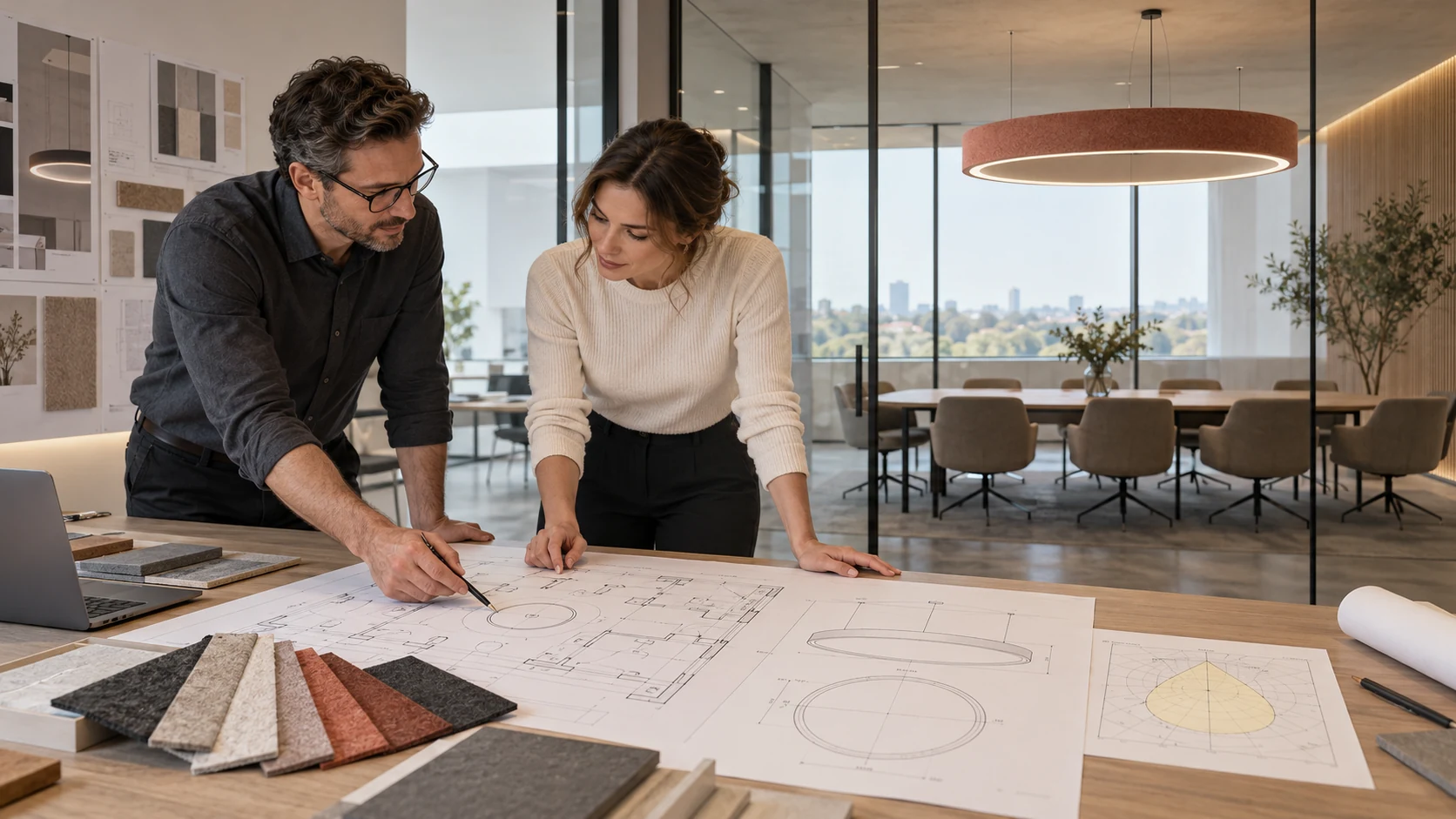
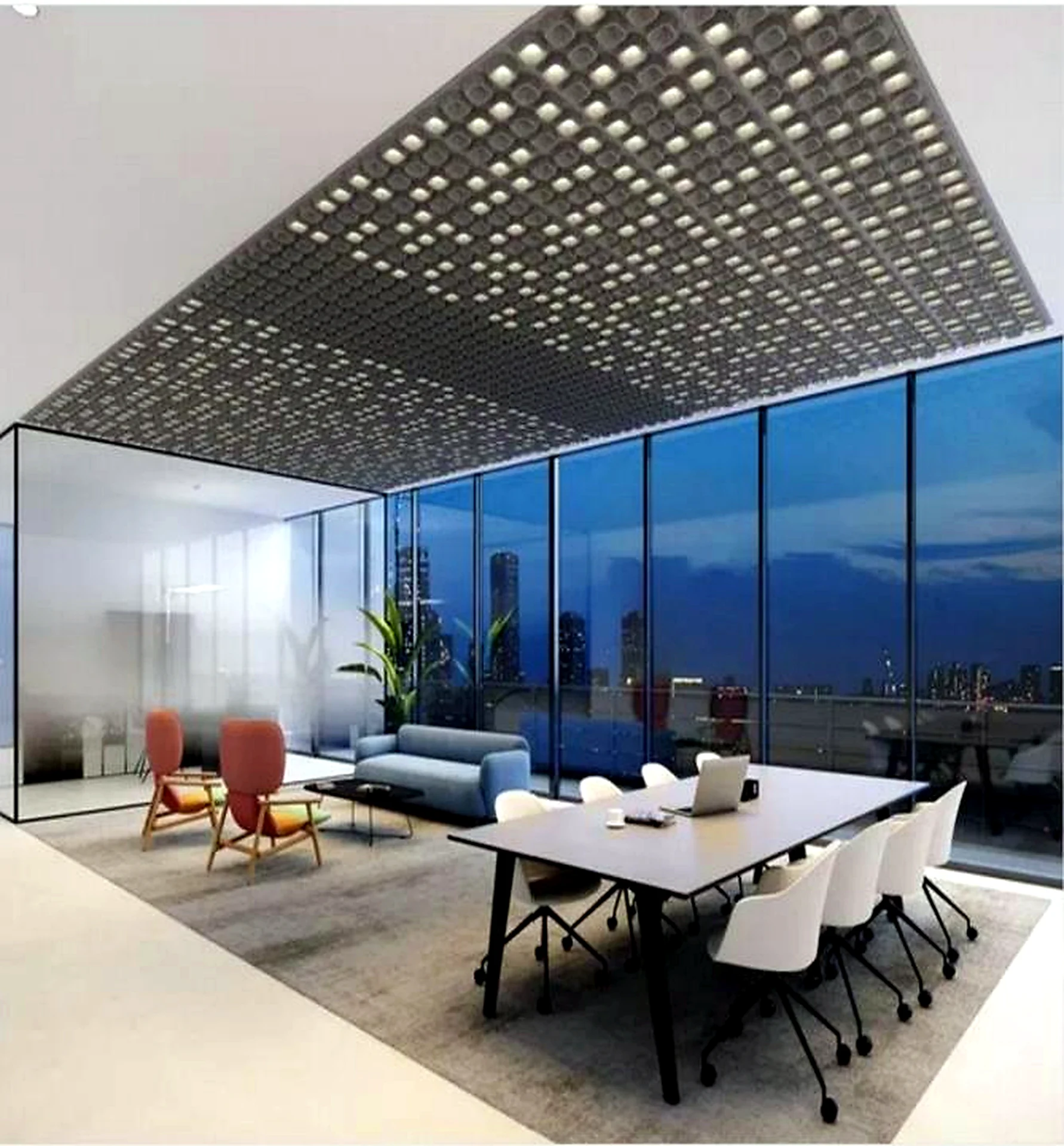
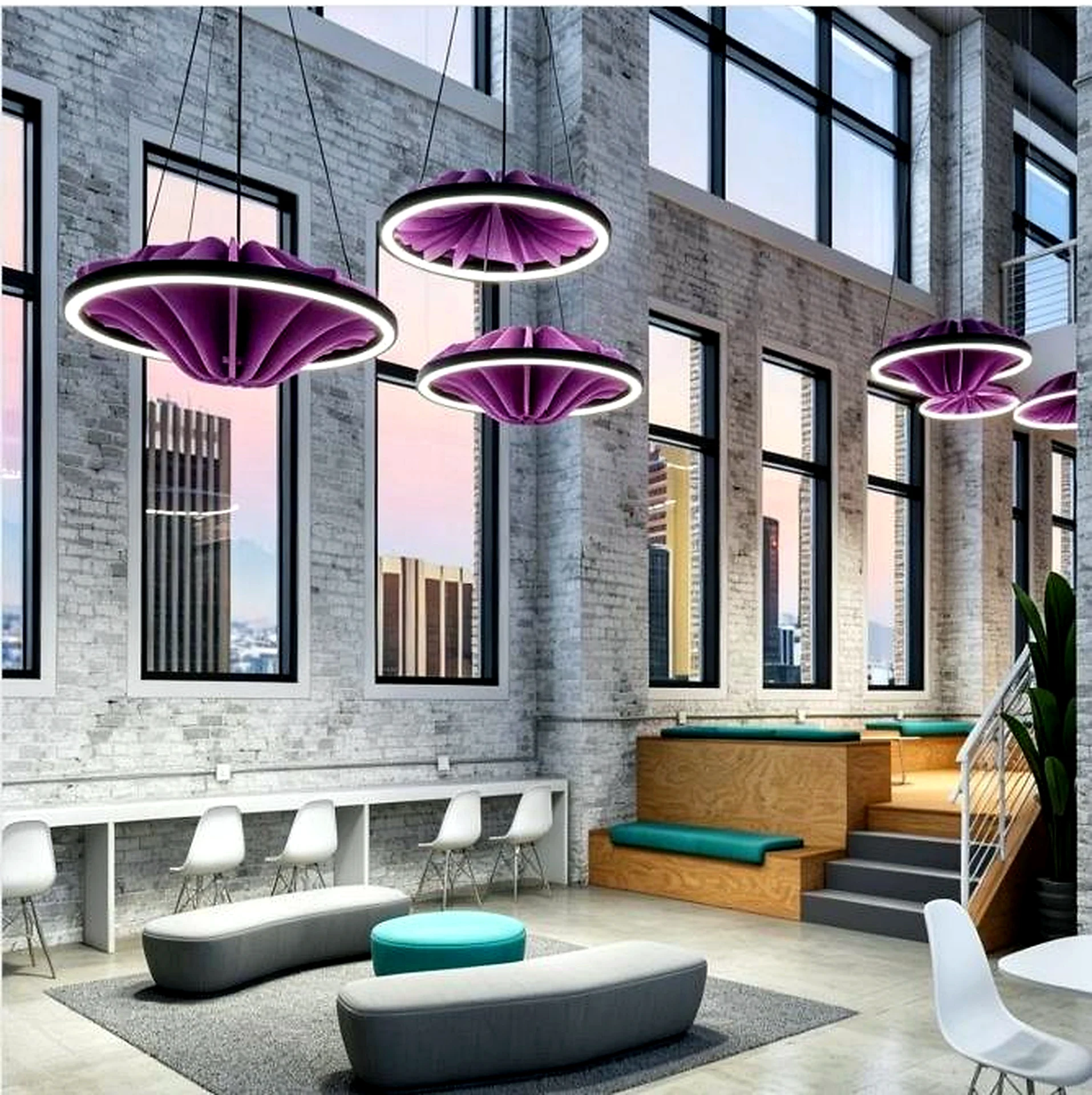
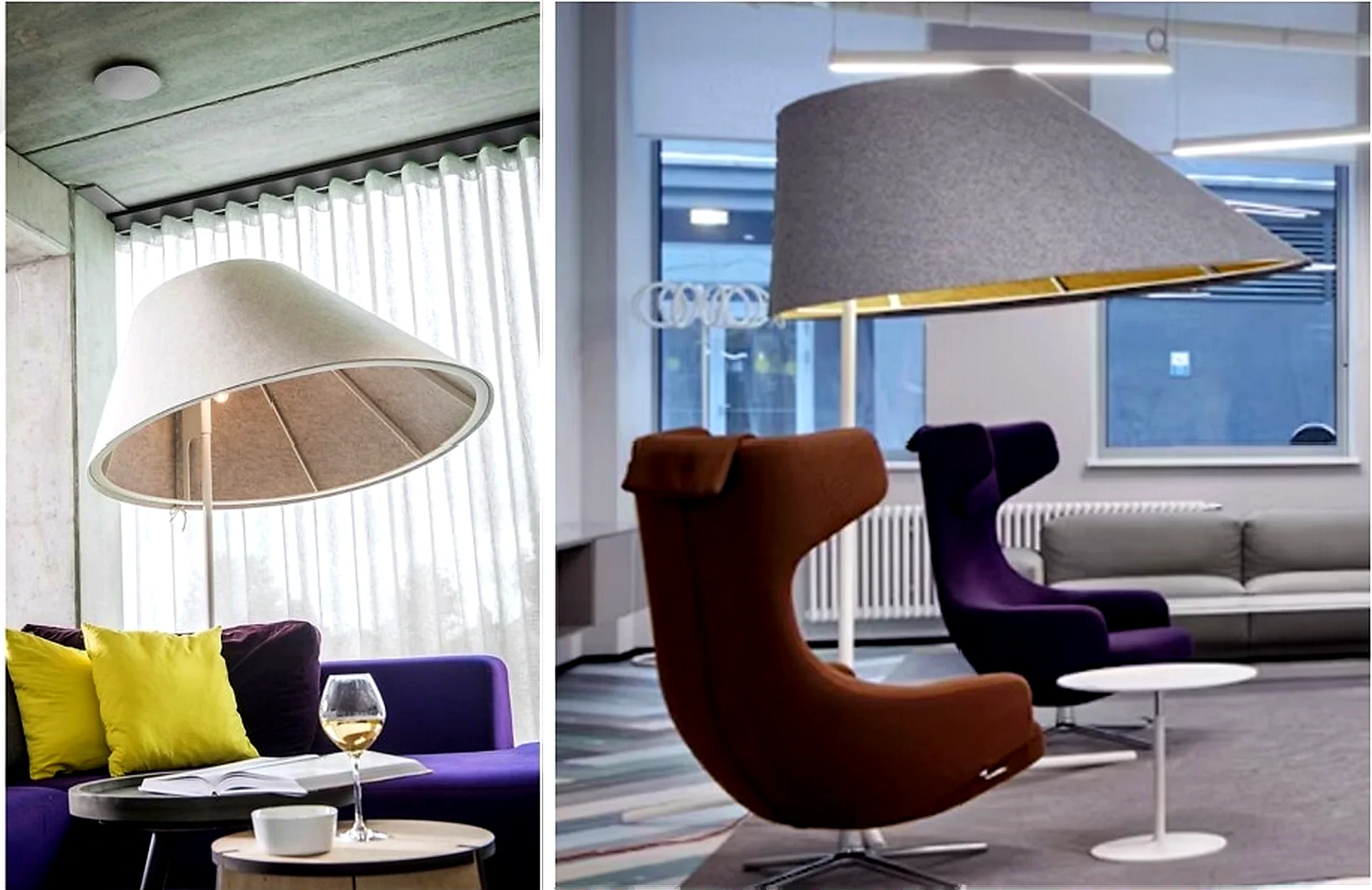
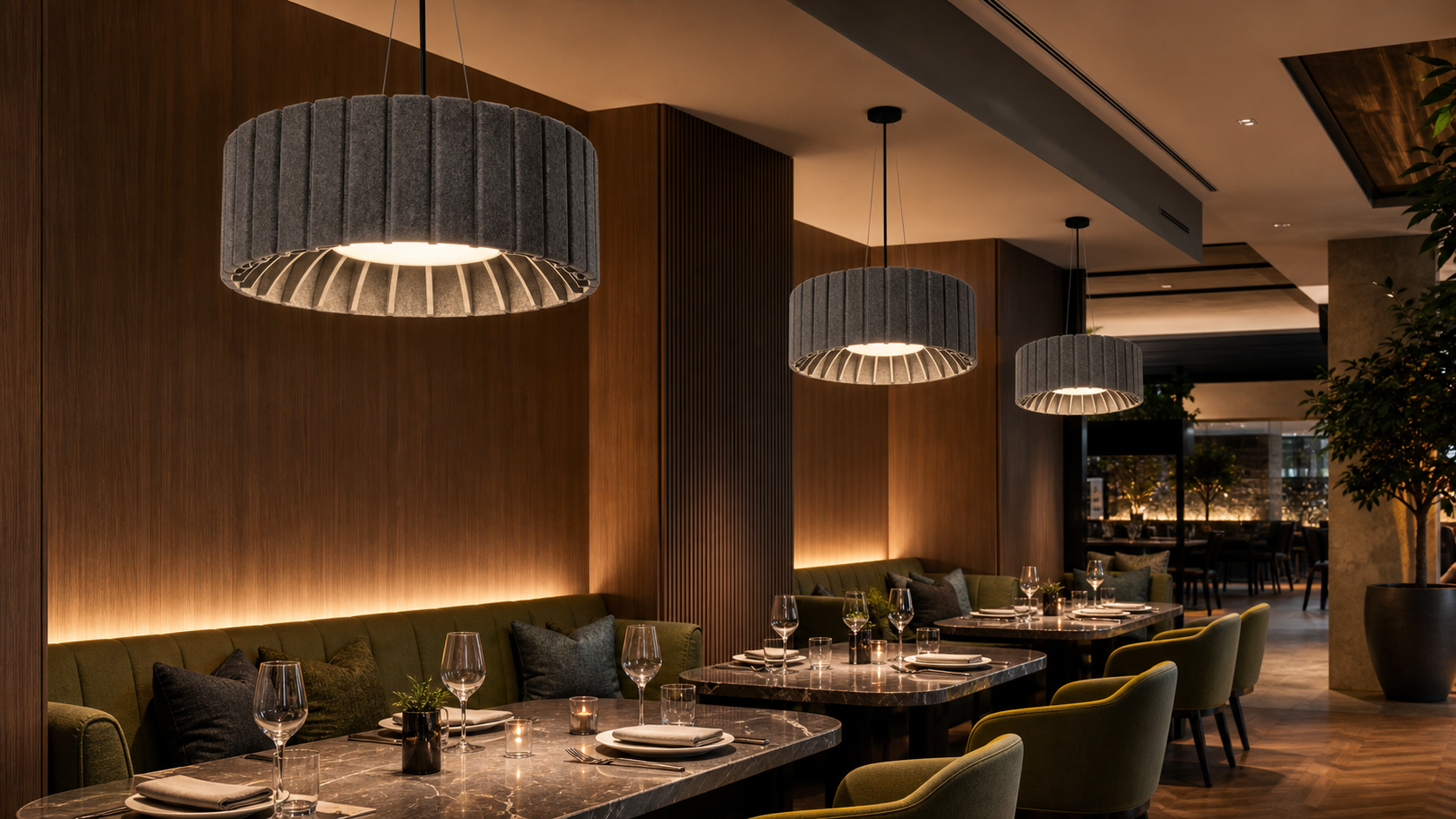
Acoustic lighting can contribute absorptive area and visual zoning in multipurpose interiors, but it does not establish the tunable reverberation or spatial localisation described in this announcement. If luminaires sit near loudspeakers, microphones or projection surfaces, coordinate their suspension, reflections, glare, dimming, colour temperature, maintenance and control scenes with the acoustic and AV model. Request tested acoustic data for the luminaire in its actual mounting condition, separately from its photometry and electrical documentation.
Impact on Acoustic Lighting
For AV, acoustic and lighting suppliers, the project shows why flexible-space proposals need one coordinated control and commissioning plan. State the room uses, acoustic target conditions, loudspeaker, microphone and processing architecture, network and fallback behaviour, tuning assumptions, show-control interfaces, operator training, maintenance and acceptance measurements. Any acoustic luminaires should be documented with their tested absorber assembly, dimensions, mounting, load, access, optical performance and controls data rather than folded into a generic acoustic claim.
For B2B buyers, compare an active-acoustics platform with its full operational envelope: architectural absorption and diffusion, isolation and background noise, AV infrastructure, programme presets, lighting scenes, budget, specialist support and verification route. Require a coordinated design review before installation and a handover package that distinguishes manufacturer capabilities from the project-specific room response. This makes it easier to protect speech clarity, musical flexibility, visual comfort and reliable daily operation.
Apply This Trend
Need acoustic lighting options for a current project?
Send drawings, room type, target quantity, PET felt color, CCT and dimming needs. FLOSEEK can recommend project-ready acoustic lighting options.