Industry Source
Pharos to reveal major new developments at LiGHT 26
Published: October 21, 2026
View original sourceNews Summary
Pharos Controls published “Pharos to reveal major new developments at LiGHT 26” on October 21, 2026. The company says it will return to LiGHT 26 at London’s Business Design Centre on November 18–19, where visitors to Stand 43 will receive a first look at what it calls its most significant Pharos Designer development in recent years. Pharos describes Designer as a dynamic-lighting control solution used in architectural, themed and entertainment environments.
According to the announcement, the forthcoming work is intended to expand designers’ control over lighting effects, interactivity and colour. Pharos frames the direction as a move beyond fixed scenes and predetermined sequences toward lighting that can be more responsive, adaptable and engaging; it says the stand will demonstrate the practical and creative implications of the new capabilities. The company will also exhibit at IAAPA in Orlando during the same period.
This is first-party, pre-event communication rather than a technical release or independent project evaluation. Pharos does not yet identify the individual capabilities, version number, release date, pricing, migration path, supported hardware, protocols or integrations. Nor does the source provide lighting calculations, energy data, acoustic evidence, cyber-security documentation, commissioning duration, accessibility assessment or post-occupancy outcomes. Buyers should treat it as an early market signal and request configuration-specific documentation after the product details are released.
- Pharos Controls published its LiGHT 26 preview on October 21, 2026, saying it will return to the London show on November 18–19 at the Business Design Centre.
- The company says Stand 43 will offer a first look at significant forthcoming developments to its Pharos Designer software, which it describes as a dynamic-lighting control solution for architectural, themed and entertainment environments.
- According to the announcement, the preview will address greater control over lighting effects, interactivity and colour, with a focus on more responsive and adaptable lighting experiences.
- The source intentionally withholds the detailed feature set until the event. It does not publish release timing, pricing, hardware or protocol compatibility, cybersecurity, energy, lighting-performance, acoustic-performance, accessibility or completed-project evidence.
FLOSEEK Interpretation
For FLOSEEK buyers, dynamic lighting controls should be briefed as an operational layer of the interior, not simply as an effects feature. Define the zones, activities, users and hours; daylight and maintained-lighting needs; visual tasks, contrast and glare; normal, cleaning, presentation and event scenes; handover roles; override behaviour; integration with AV, blinds, building systems and sensors; and the maintenance and change-control process. This provides a decision framework before comparing a controls platform, luminaires or interface options.
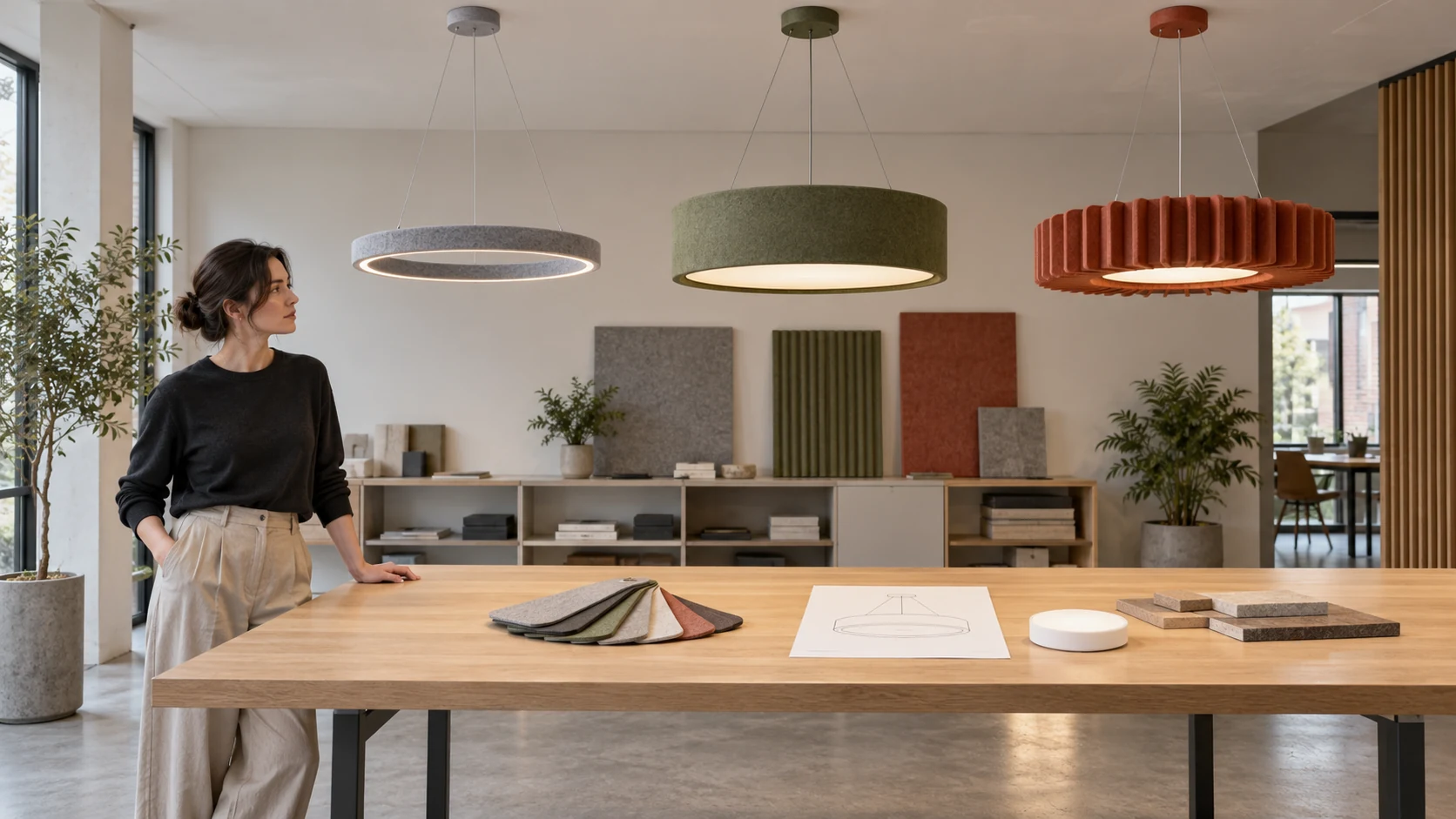
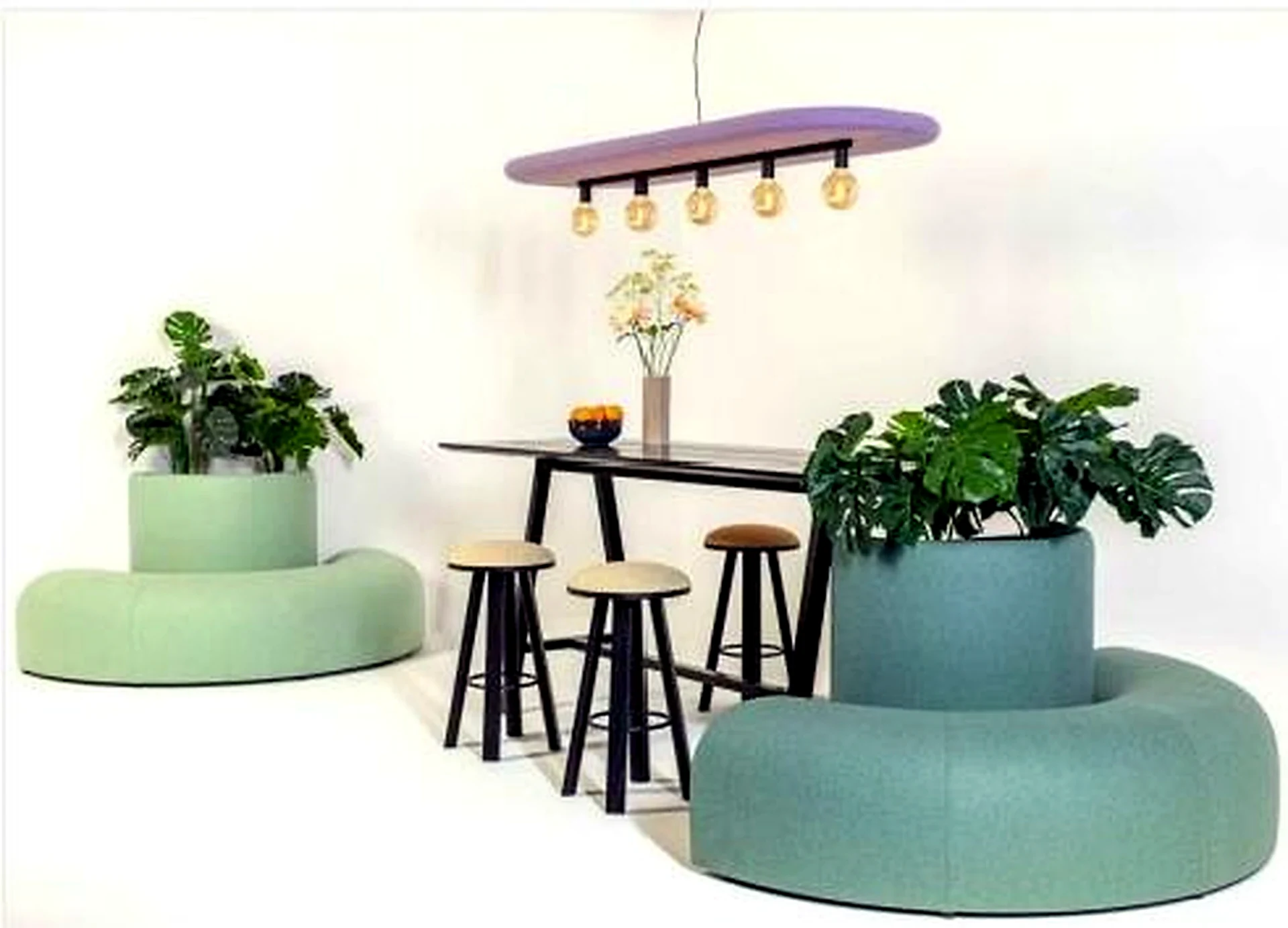
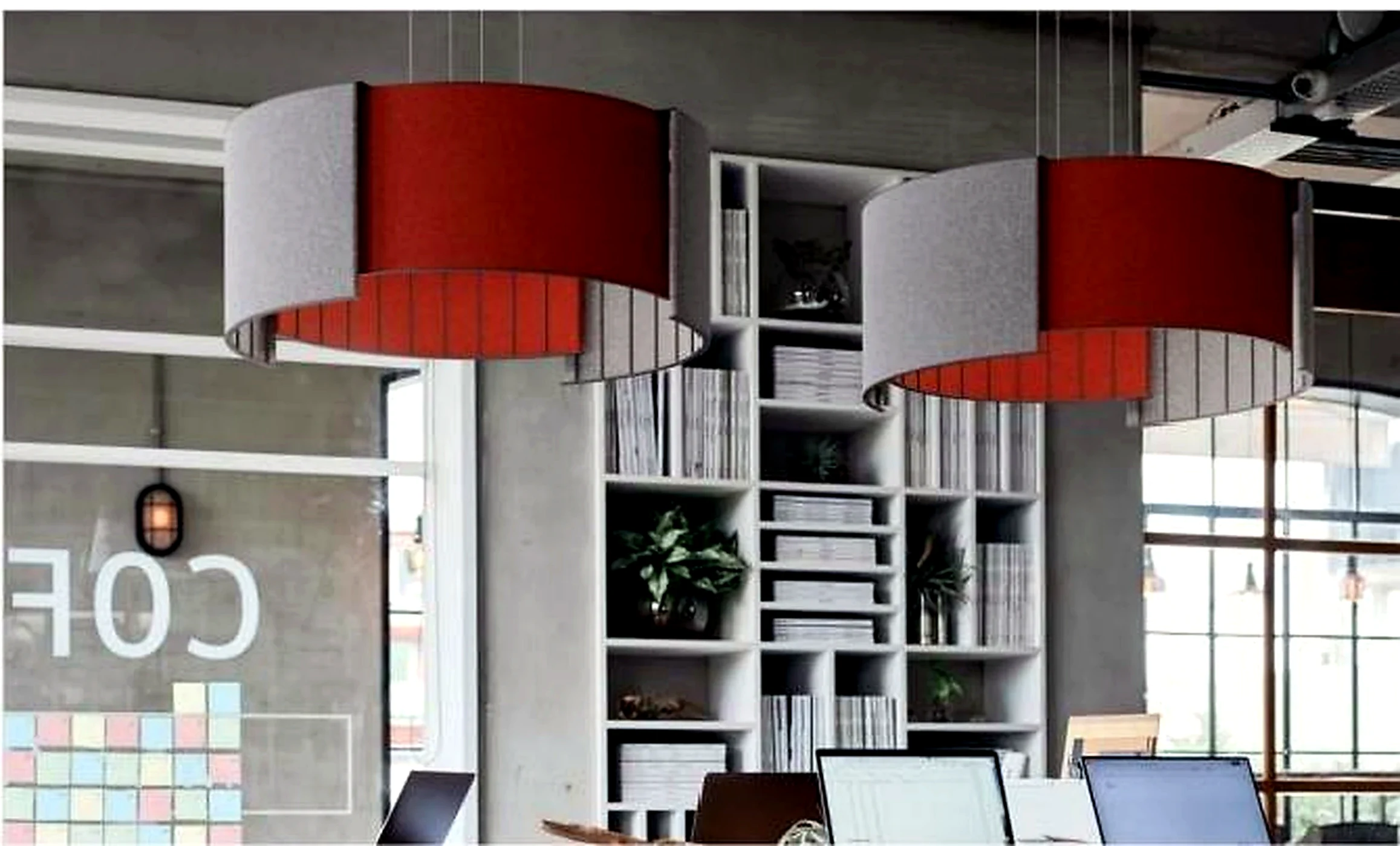
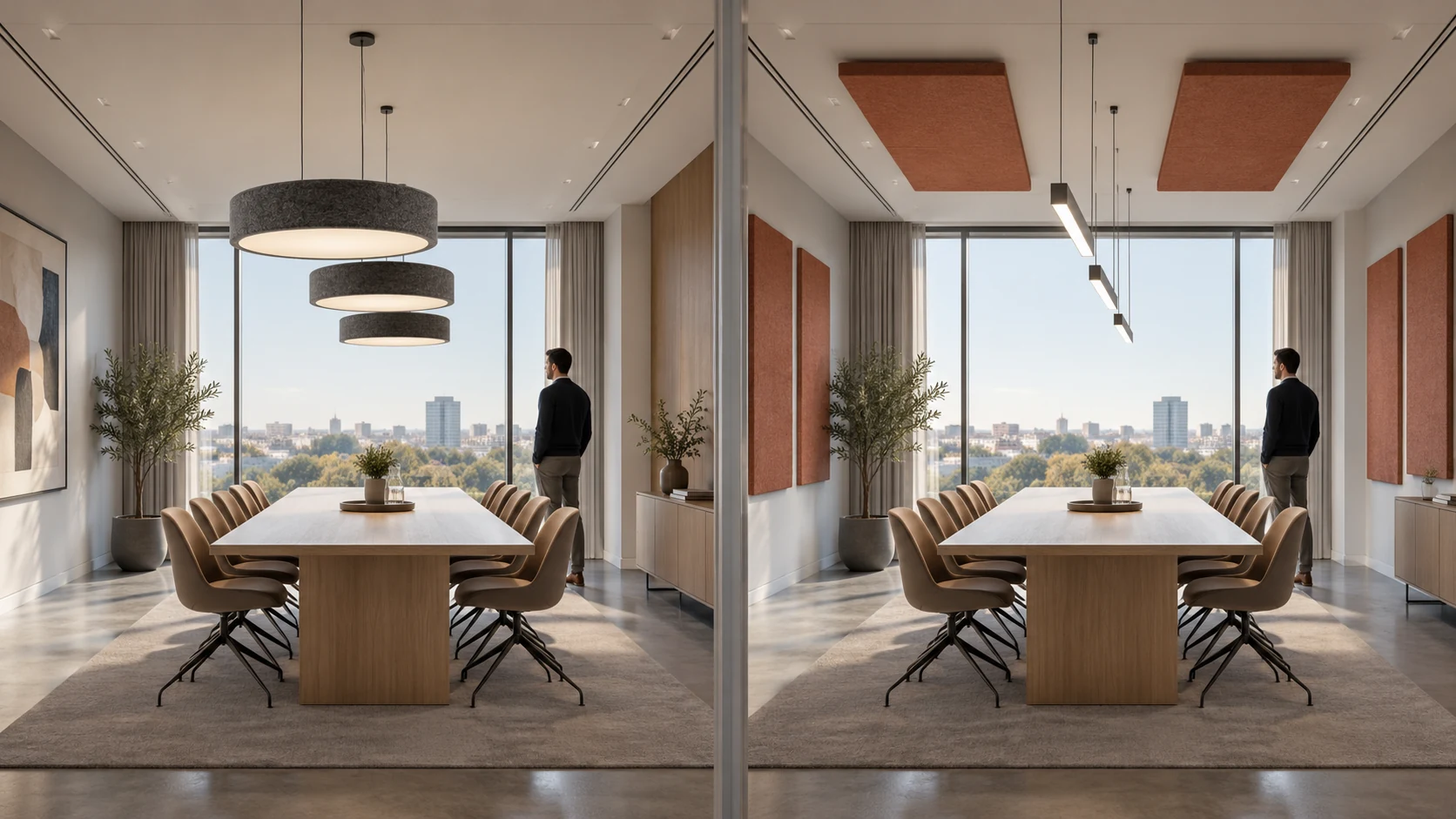
Acoustic lighting can support both illumination and absorptive ceiling coverage, but it does not itself define a controls strategy or prove responsive-lighting outcomes. Request the selected luminaire’s photometry, dimming and driver compatibility, CCT or colour-control limits, controls topology, emergency-lighting interface, power and addressing plan alongside acoustic test evidence for its actual assembly and mounting condition. Coordinate scenes with the reflected-ceiling plan, AV, HVAC, occupancy patterns, cleaning, access and facilities workflows before procurement.
Impact on Acoustic Lighting
For lighting-control, acoustic-lighting and fit-out suppliers, the announcement reinforces the importance of turning a future-facing controls narrative into a traceable submittal. Identify the released software and hardware versions, supported protocols and integrations, addressing and network assumptions, power and driver compatibility, control interfaces, fallback and override behaviour, commissioning scope, user permissions, training, documentation, maintenance and upgrade route. Keep unannounced feature claims distinct from what the contracted configuration can demonstrably deliver.
For B2B project teams, evaluate dynamic controls, acoustic luminaires and conventional lighting against a shared zone-by-zone visual, acoustic and operational brief. Assign responsibility for lighting calculations, ceiling coverage, control narratives, integrations, testing, scene commissioning, facilities training and future changes. That coordination helps the project obtain adaptable lighting without weakening glare control, speech comfort, service access or accountability at handover.
Apply This Trend
Need acoustic lighting options for a current project?
Send drawings, room type, target quantity, PET felt color, CCT and dimming needs. FLOSEEK can recommend project-ready acoustic lighting options.