

Industry Source
Oxford analysis links circular approaches to business benefits in 74% of real-world lighting projects studied
Published: October 26, 2026
View original sourceNews Summary
Signify published “Oxford analysis links circular approaches to business benefits in 74% of real-world lighting projects studied” on October 26, 2026. The company says the University of Oxford’s Circular Economy and Sustainability Lab and Academics for Circular Economy e.V., with Signify support, reviewed 50 lighting projects that applied circular approaches. The stated sample spans 10 sectors, including offices, hospitals, schools, airports, ports, tunnels and municipal infrastructure.
According to the release, 37 of the 50 projects reported capital, maintenance or financing benefits. The article says 31 projects extended asset life, 26 retained assets or materials, 23 avoided downtime or disruption and 20 avoided full replacement. It also says 36 projects reported energy savings, with a median reduction of 59.5%. Signify uses a Dublin Port Tunnel upgrade of approximately 1,800 light points to illustrate the approach, estimating €3 million in capital savings compared with installing a fully new LED system.
The release presents associations and self-reported outcomes within a Signify-supported study; it is not a universal retrofit business case or a specification for an individual site. It does not publish the project-by-project methods, baseline conditions, product configurations, lighting calculations, controls scope, maintenance terms, acoustic performance, procurement prices or independently verified results needed to evaluate a particular scheme.
- Signify published the release on October 26, 2026, reporting an analysis by the University of Oxford’s Circular Economy and Sustainability Lab and Academics for Circular Economy e.V., supported by Signify.
- The researchers analyzed 50 real-world circular-lighting projects across 10 sectors, including offices, hospitals, schools, airports, ports and tunnels; 37 projects reported capital, maintenance or financing benefits.
- Across the sample, the release reports extended asset life in 31 projects, asset or material retention in 26, avoided disruption in 23 and avoided full replacement in 20. It says 36 projects reported energy savings, with a stated median reduction of 59.5%.
- The release cites a Dublin Port Tunnel upgrade of about 1,800 light points as an example, with Signify estimating €3 million in capital savings compared with a completely new LED system. It does not establish a comparable outcome for other sites or proposed configurations.
FLOSEEK Interpretation
For FLOSEEK buyers, this is a useful reason to begin a lighting upgrade with an asset and service survey rather than a replacement assumption. Record the condition and remaining life of luminaires, drivers, controls, wiring, mounting points, ceiling finish, access routes and emergency-lighting interfaces; then compare repair, LED retrofit, component upgrade and full replacement against the visual, operational, safety and whole-life brief. Include occupancy, disruption windows, electrical capacity, controls compatibility, spares, warranty and end-of-life responsibilities in the comparison.
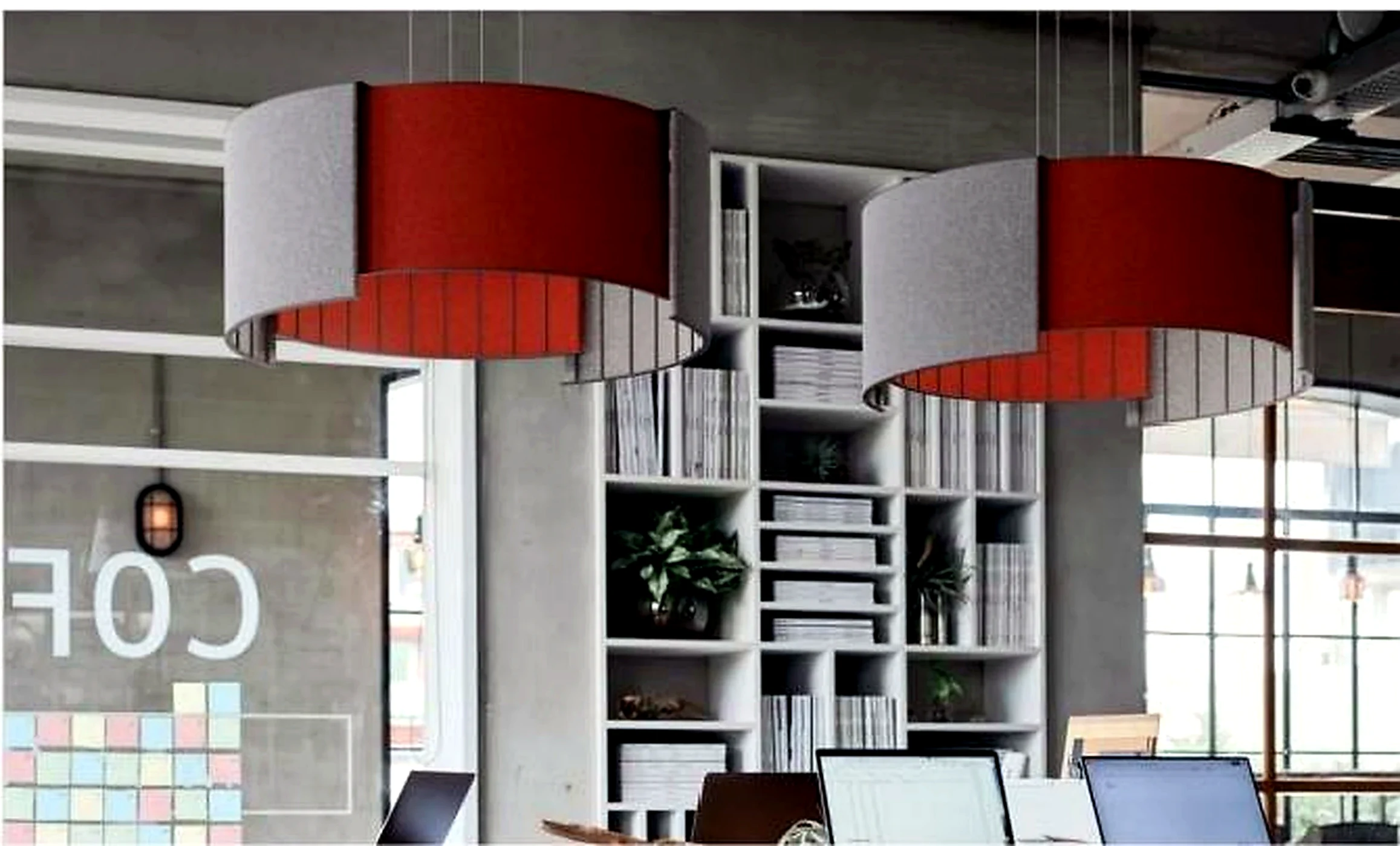
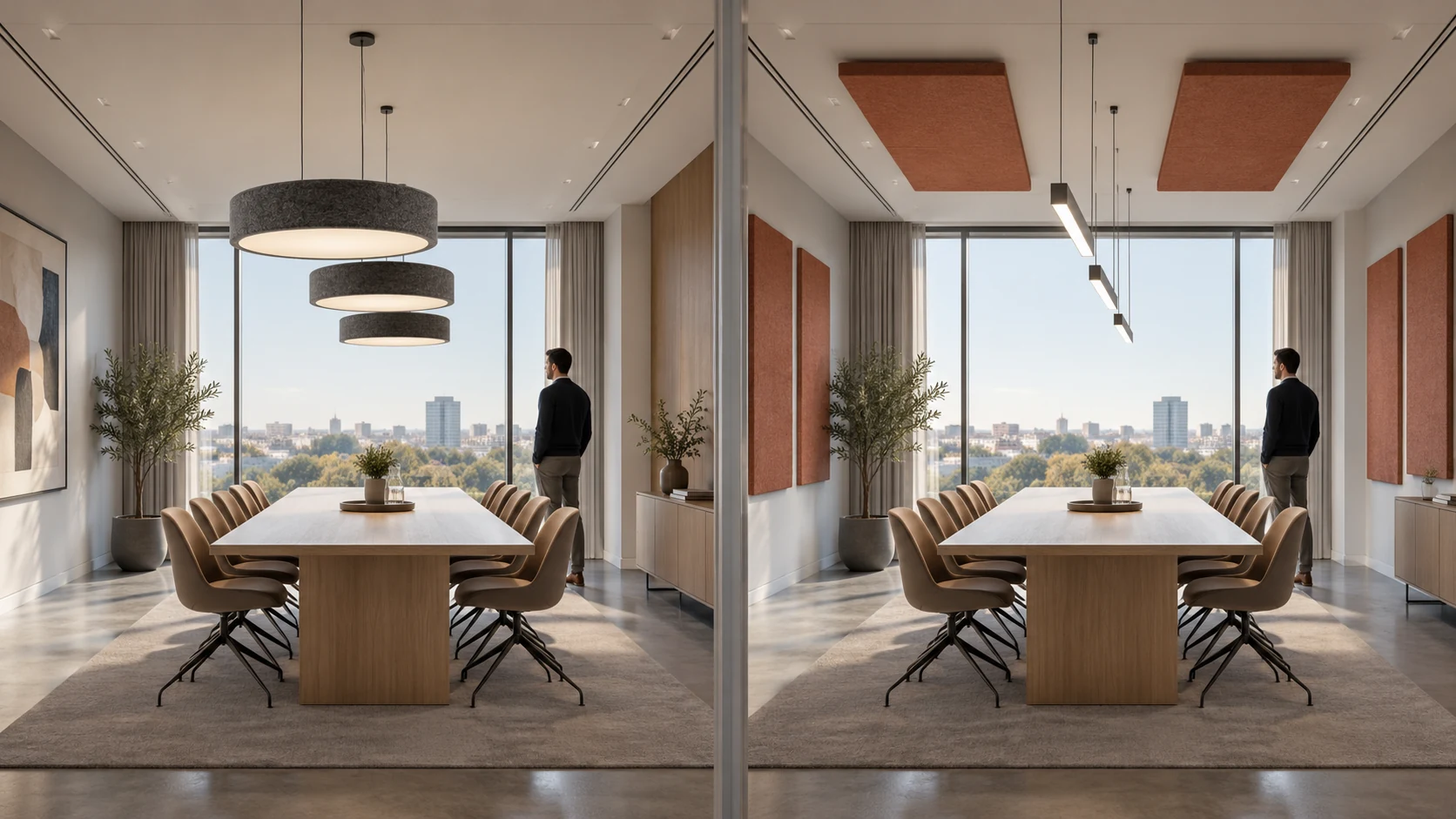
Acoustic-lighting projects need the same discipline, with the ceiling treated as an integrated assembly. Retaining an existing grid or support arrangement may reduce disruption, but only if loads, suspension, fire strategy, services access and acoustic coverage remain viable. Ask for photometry, glare, power and controls data for the proposed luminaire, plus acoustic test evidence for the actual absorber and mounting condition; coordinate it with HVAC, sprinklers, detectors, AV and maintenance access before claiming a whole-life benefit.
Impact on Acoustic Lighting
For lighting and acoustic-lighting suppliers, the release reinforces that circularity claims need a project-specific evidence trail. State which components will be retained, repaired, refurbished, reused or replaced; identify compatibility limits, spare-parts availability, expected service life, warranties, take-back route and the assumptions behind cost, carbon, energy and disruption comparisons. A whole-life option should include the same photometric, electrical, fire, structural and acoustic documentation required for a new installation.
For B2B project teams, evaluate upgrade routes room by room against a shared visual, acoustic and operational brief. Assign ownership for surveys, lighting calculations, acoustic targets, controls and emergency interfaces, ceiling coordination, construction phasing, commissioning, facilities training and handover records. That makes retained infrastructure a considered option—not a constraint—and helps protect comfort, serviceability and accountability as commercial interiors are modernized.
Apply This Trend
Need acoustic lighting options for a current project?
Send drawings, room type, target quantity, PET felt color, CCT and dimming needs. FLOSEEK can recommend project-ready acoustic lighting options.