Industry Source
Zumtobel und Impact Acoustic schließen Partnerschaft für mehr Lebensqualität in geschlossenen Räumen
Published: September 9, 2026
View original sourceNews Summary
Zumtobel announced on September 9, 2026 that it has entered a partnership with Lucerne-based Impact Acoustic. According to the manufacturer’s press release, the agreement was made in August and brings together the companies’ lighting, acoustics, design and system-integration capabilities. The stated offer includes standard and custom solutions, along with combined lighting-and-acoustics consulting for building owners, architects, interior fitters and lighting designers.
The operational point of the announcement is earlier coordination. Zumtobel says it will consider acoustic components from the beginning of its lighting-design process, while Impact Acoustic will integrate selected Zumtobel luminaires into its digital room-planning system. The companies say this is intended to create coordinated light-and-acoustic concepts and simplify planning; they also note that first joint projects were shown at Light + Building 2026.
The release describes shared sustainability ambitions, including Zumtobel’s Circular Design Rules and remanufacturing service, and Impact Acoustic’s circular-material and take-back approach. It does not identify the joint product combinations, available markets, commercial terms, software data exchange, acoustic test results, photometry, glare ratings, energy figures or performance outcomes from a completed room. Those details remain necessary for a project-specific specification.
- Zumtobel published the press release from Dornbirn, Austria, on September 9, 2026, following a partnership agreed with Impact Acoustic in August.
- The companies say they will combine acoustics, lighting, design and system integration to offer standard and custom solutions, plus lighting-and-acoustics consulting, to building owners, architects, interior fitters and lighting designers.
- Zumtobel says it will consider acoustic components from the beginning of lighting design, while Impact Acoustic will integrate selected Zumtobel luminaires into its digital room-planning system.
- The announcement says the partners showed first joint projects at Light + Building 2026, but it does not identify the projects or publish joint performance data, product combinations, software interfaces, pricing or availability.
FLOSEEK Interpretation
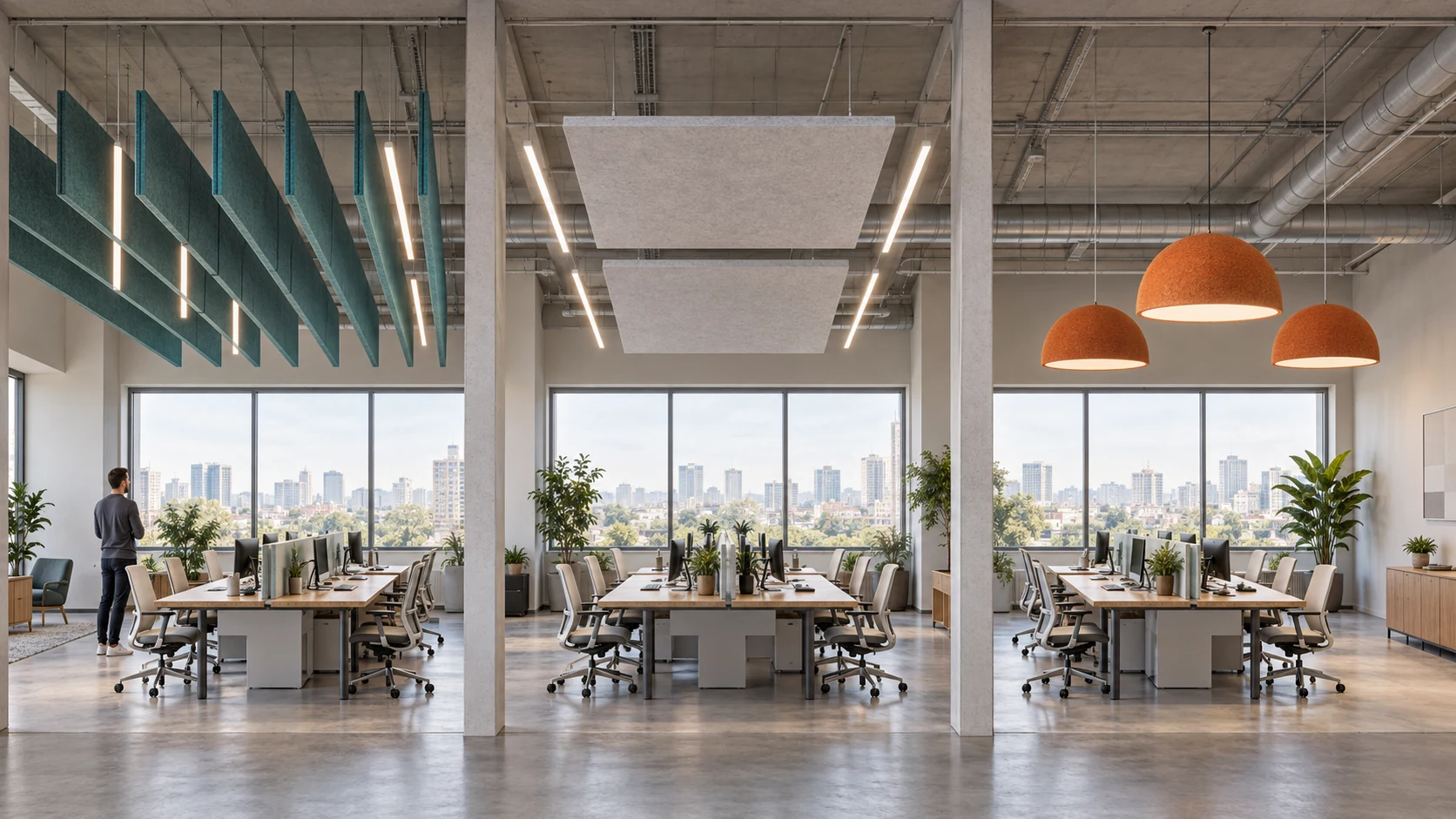
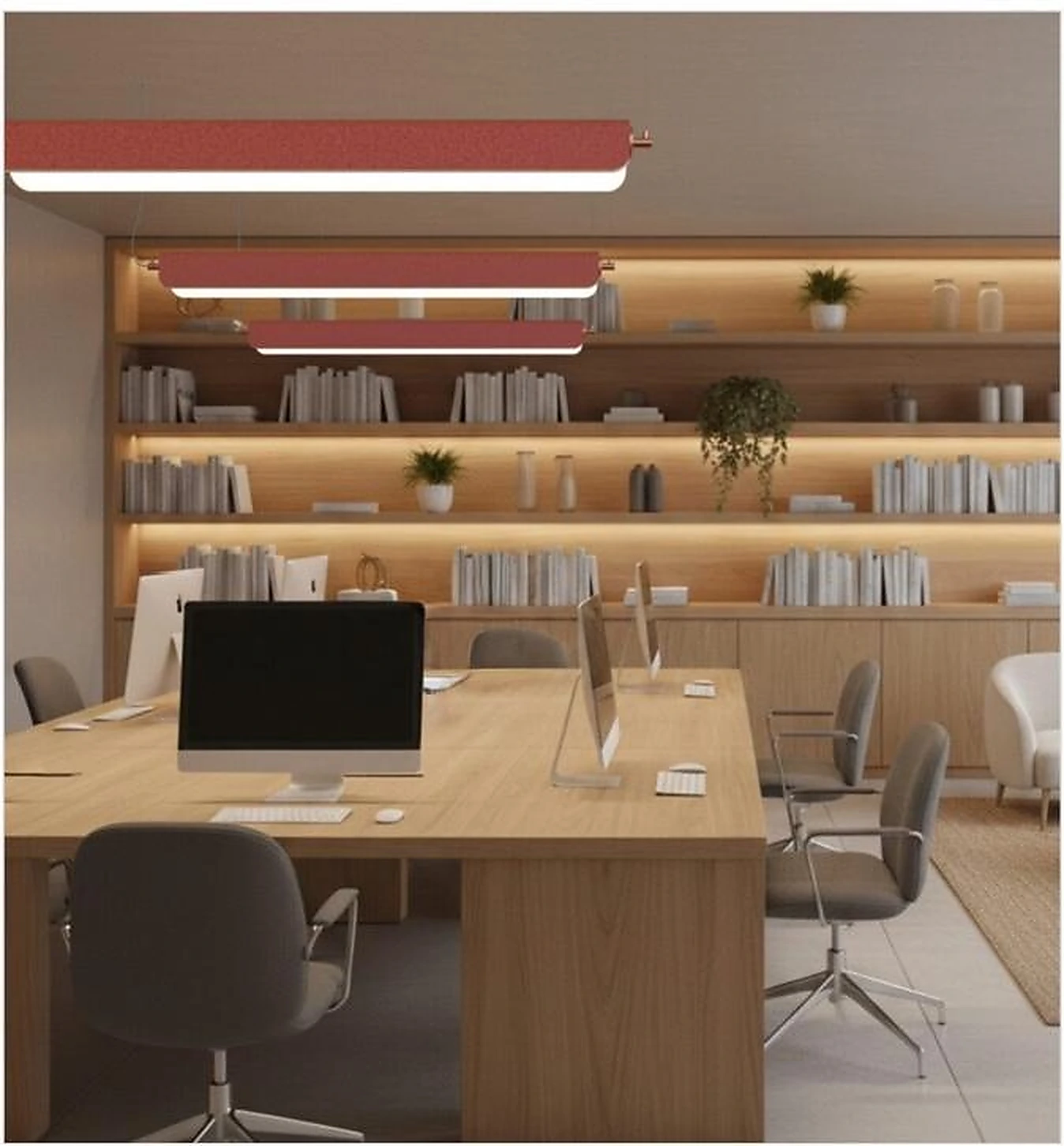
For FLOSEEK buyers, the partnership is a useful prompt to combine the acoustic and lighting briefs before the ceiling plan is fixed. Start with room uses, occupancy, noise sources, speech-comfort objective, task and ambient-lighting needs, ceiling geometry, daylight, HVAC, sprinklers, AV and maintenance access. A coordinated layout can then identify where acoustic luminaires, separate absorptive treatments and conventional lighting each have a role.
Digital room planning can make early coordination more visible, but it does not replace performance verification. Ask the project team and suppliers for the selected configuration’s acoustic test evidence, photometry and glare information, controls, dimensions, weight, suspension and electrical requirements, finish and cleaning data, service clearances, lead times and local compliance documents. Confirm who is responsible for the room-level acoustic and lighting calculations and how acceptance will be assessed.
Impact on Acoustic Lighting
For suppliers, the announcement reinforces a shift from single-product selling toward coordinated interior systems. To make that practical, a joint offer needs clear interfaces: which products and configurations work together; the data available in planning tools; acoustic, photometric and mounting evidence; responsibilities for services coordination; and the boundary between product documentation and whole-room predictions. This gives designers a submittal they can compare and coordinate rather than a broad integration claim.
For B2B buyers, a light-and-acoustics partnership can reduce handoffs only if its scope is tested against the project brief. Require bidders to map proposed products and digital-planning outputs to the room’s acoustic target, lighting and visual-comfort criteria, ceiling and services constraints, finishes, maintenance strategy, programme and acceptance method. Treat circularity, remanufacturing and take-back claims as configuration- and market-specific questions to document before award.
Apply This Trend
Need acoustic lighting options for a current project?
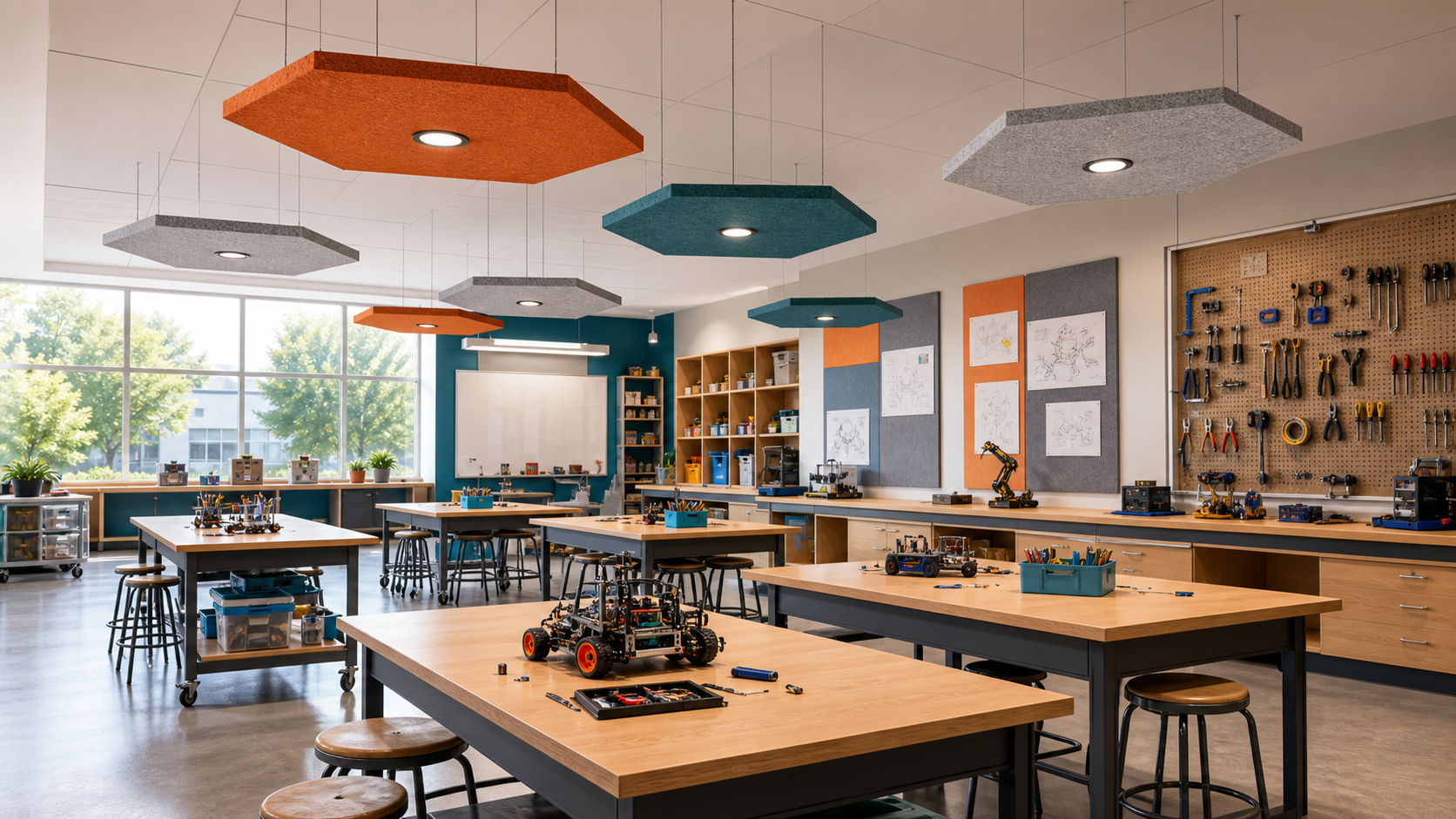
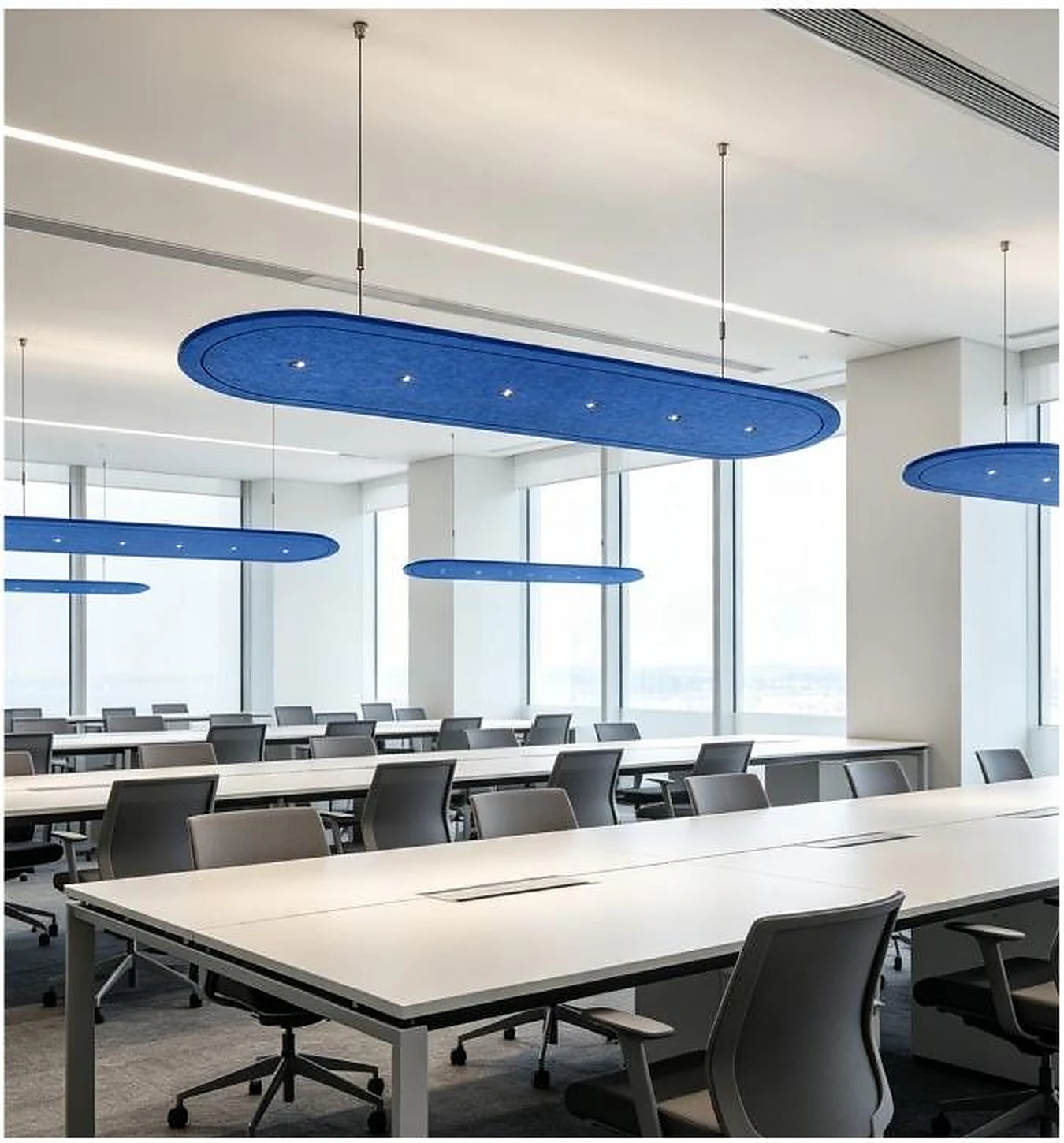
Send drawings, room type, target quantity, PET felt color, CCT and dimming needs. FLOSEEK can recommend project-ready acoustic lighting options.