The Supplier Choice Decides More Than Unit Price
Need names before you build the scorecard? Start with the unranked 2026 shortlist of 15 PET felt acoustic lighting manufacturers and brands, then return to this guide to compare their evidence and project fit.
Choosing a PET felt acoustic lighting manufacturer is one of the highest-risk decisions in an OEM or project order.
The wrong supplier may still deliver a product that looks acceptable in photos. Problems usually appear later: PET felt colors do not match, the LED driver changes without notice, dimming does not work on site, cartons deform during export shipping, a required document is missing, or sample and bulk production are inconsistent.
This guide is written for importers, distributors, lighting brands, architects, interior contractors, acoustic solution companies and procurement teams comparing PET felt acoustic lighting manufacturers for OEM, ODM, bulk and commercial project orders.
Quick Answer: Compare Supplier Fit Before Comparing Price
The best supplier depends on your order type. A distributor buying standard products needs different support from a lighting brand developing a private-label acoustic pendant series or a contractor managing a commercial project.
Design lighting brands may offer strong design value but higher cost and limited OEM flexibility. General lighting factories may understand LED systems but not PET felt structures. Acoustic material companies may understand absorption but not drivers, wiring, and luminaire testing. Trading companies can be flexible but usually have less direct production control.
For PET felt acoustic lighting, the strongest fit is usually a manufacturer that can coordinate felt material, lighting components, custom structure, export packing, and project documentation while being clear about what is available for the exact model and market.
What Makes a Good PET Felt Acoustic Lighting Manufacturer?
A strong manufacturer should control three areas at the same time: acoustic material capability, lighting capability, and project execution capability.
Acoustic material capability includes PET felt selection, cutting, forming, edge finishing, color control, fire-retardant options when required, and acoustic documentation when available for the product. Lighting capability includes LED modules, drivers, CCT, CRI, wattage, dimming, power-on testing, and photometric files when needed.
Project execution capability includes custom sampling, quotation scope, installation details, packing, export documents, QC records, and delivery schedule. For B2B buyers, the best supplier is not the one that says yes fastest; it is the one that asks the right questions before confirming the order.
Use a Manufacturer Evaluation Scorecard
Before sending a bulk order, score suppliers using a structured method. Evaluate product focus, PET felt material control, lighting technical capability, customization and OEM ability, document readiness, bulk consistency, export packaging, and communication honesty.
A useful scorecard should give weight to the areas that create real order risk: thickness and density control, color cards and batch tolerance, LED wattage and lumen output, driver and dimming knowledge, sample process, QC photos, packing protection, and clear lead-time communication.
This keeps the buyer from choosing based only on a low quotation and makes supplier comparison easier to explain internally.
Compare Customization Capability in Detail
Customization is one of the main reasons buyers search for PET felt acoustic lighting manufacturers. However, customization should be discussed in detail.
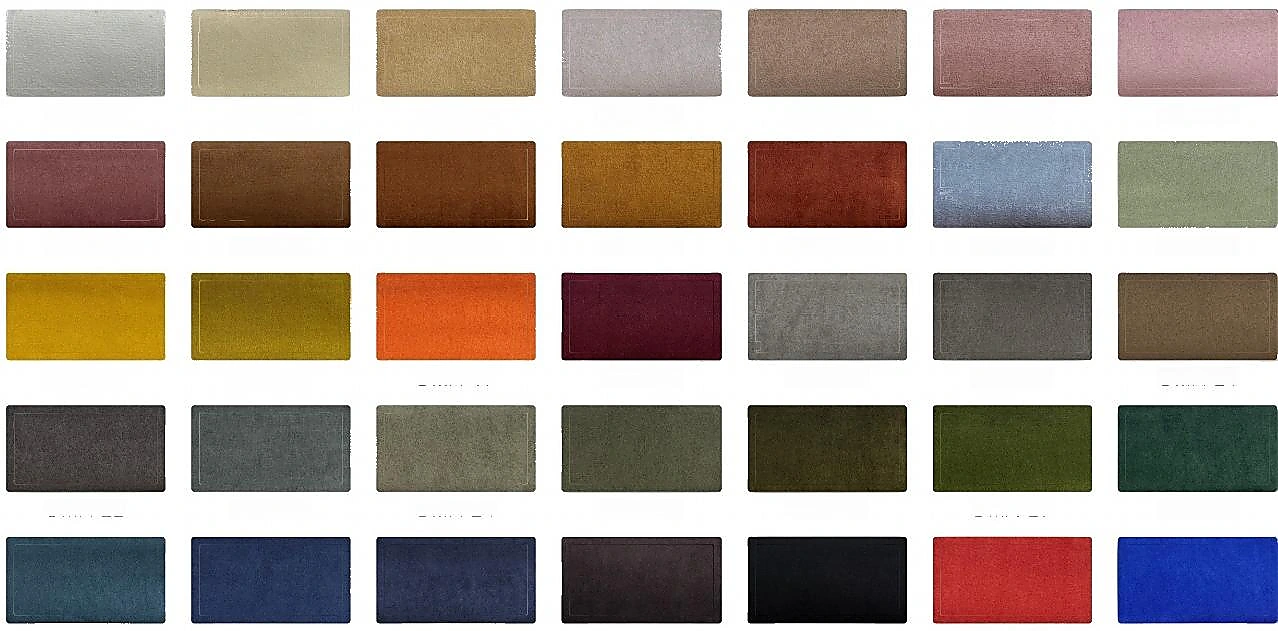
Ask whether the manufacturer can support PET felt color customization, custom pendant size and shape, round, dome, cone, linear, disc, cloud or special forms, LED wattage options, CCT options, CRI80 or CRI90, non-dimming, TRIAC, 0-10V or DALI where applicable, custom suspension length, canopy finish, private label packaging, product labels, carton labels, and installation manual customization.
A professional manufacturer should also explain what may increase cost or lead time. A very large felt shade may need reinforcement and special packing. A custom color may require MOQ. A complex shape may require a prototype. Honest limitation is a trust signal.
Review the Sample-to-Bulk Process
For OEM and project orders, the sample is not only a sales tool. It is the control point for mass production.
A reliable sample process should include requirement confirmation, drawing or specification review, PET felt material and color selection, LED and driver selection, structure and suspension review, sample production, factory test, photo or video confirmation, sample shipment, buyer feedback, final sample approval record, and a bulk production checklist based on the approved sample.
The key question is how the supplier will make sure the bulk order matches the approved sample. Ask them to keep an approved color swatch, sample photos, dimension record, LED configuration, and packaging confirmation.
Check Technical Communication Before You Trust the Quote
A serious manufacturer should be able to answer technical questions clearly. Ask about PET felt thickness and density, color card and batch tolerance, fire-retardant options when required, acoustic data and test method if available, LED wattage and lumen output, CCT, CRI, driver specification, dimming compatibility, input voltage, suspension method, carton dimensions, MOQ, sample time, and bulk lead time.
Red flag: the supplier gives a final price without asking about quantity, PET felt color, LED specification, dimming, destination country, or packaging. That quotation may be fast, but it is not project-ready.
For commercial projects, unclear specifications can lead to rework, delayed installation, or customer complaints.
Comparing suppliers for an OEM or project order?
Send your specification, target quantity, market and packaging requirements for a structured quotation.
Compare Quotation Scope, Not Just Unit Price
A low unit price may not be the best value if important items are excluded. When comparing quotations, check whether each supplier includes the same scope.
Review product dimensions, material, LED wattage, driver specification, CCT, CRI, dimming type, suspension kit, canopy, packaging method, carton dimensions, MOQ, sample cost, tooling cost, lead time, payment terms, warranty, document requirements, and shipping terms.
For project orders, also confirm whether the quotation includes special labeling, installation drawings, spare parts, and batch color control.
Ask for a Manufacturer Document Set Carefully
Before confirming an OEM or project order, ask for a document package that matches your order scope. Do not treat certificate-ready, fire-resistance, eco-friendly, or dimmable as standalone claims.
Useful documents may include product datasheet, PET felt material data, color card, recycled-content statement if required, fire-retardant or classification information if required, acoustic absorption report or NRC data if acoustic performance is part of the specification, driver datasheet, CCT/CRI/wattage/lumen table, dimming compatibility statement, IES or LDT photometric file if needed, drawing, sample approval form, installation manual, accessory list, QC checklist, packing method, carton label template, and warranty statement.
The supplier should confirm what exists, what is model-specific, and what must be checked by destination market before order.
Factory QC: What Should Be Checked Before Shipment?
PET felt acoustic lighting combines soft material, electrical components, mechanical suspension, and export packaging. QC should cover all four.
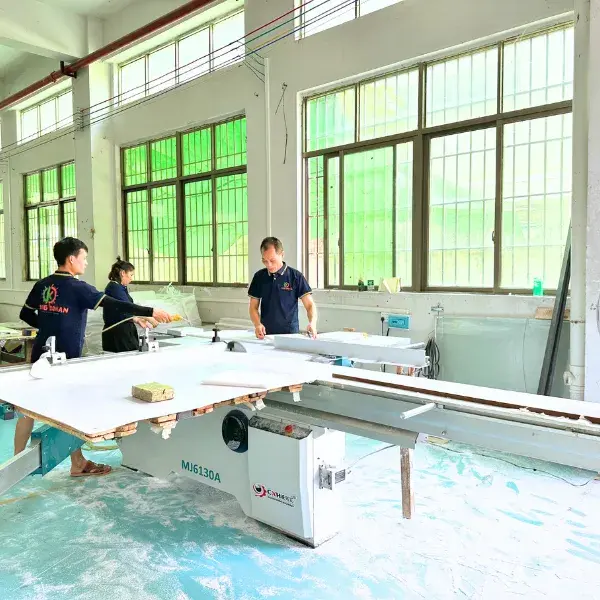
A practical QC process checks incoming PET felt thickness, color, surface and density; cutting and forming quality; LED module, driver, wiring and power-on function; dimming where applicable; felt color, edge finish, diffuser, canopy, scratches and deformation; suspension cable and mounting parts; accessory bags, labels and carton strength.
For large orders, ask for production photos, testing photos, packing photos, and final quantity records before balance payment or shipment release. For high-value projects, third-party inspection may be appropriate.

Packaging and Export Preparation
PET felt pendant lights are lighter than many metal fixtures, but they can still be damaged by pressure, moisture, poor stacking, or weak cartons. Export packaging should protect both the felt body and electrical components.
Check individual surface protection, support against deformation, accessory bag completeness, separate protection for diffuser and canopy, installation manual, carton label with model and color, room or floor code if needed, pallet plan, moisture protection, and container loading safety for oversized shades.
Packaging should be discussed before bulk production, not after products are finished.
Manufacturer vs Trading Company: Which Should You Choose?
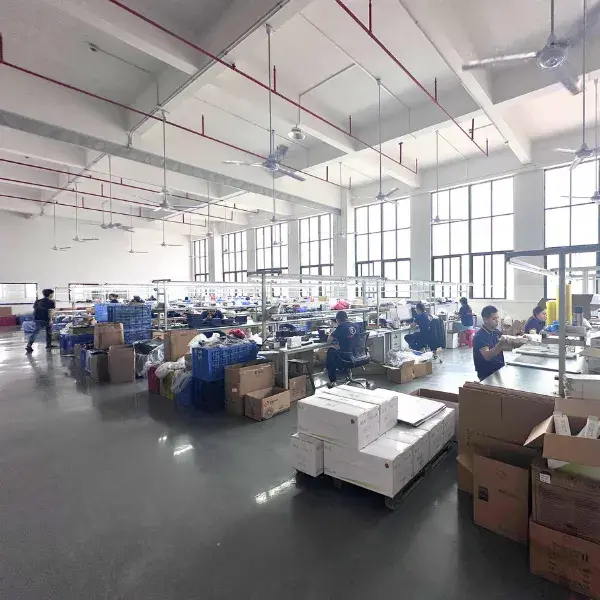
The right choice depends on your sourcing situation. A trading company or distributor can be useful for standard small orders with mixed lighting products. A manufacturer is usually stronger for custom PET felt color, shape, size, private-label packaging, and bulk consistency.
For commercial projects requiring technical files, installation support, and inspection records, choose a project-capable manufacturer. For urgent local installation, a local distributor or stock supplier may be more practical.
Do not treat factory as automatically good or trading company as automatically bad. The decision should be based on control, documents, customization and service requirements.
Red Flags When Comparing Suppliers
Be careful if a supplier gives a final quotation without technical questions, cannot explain PET felt thickness or color control, makes a fire-resistance claim without a supporting report, says dimmable without naming the protocol, avoids driver questions, has no sample approval process, or cannot provide production or QC photos.
Other warning signs include unclear MOQ and lead time, different answers to the same technical question, refusal to discuss export packaging, and claims that one document covers every market and every product configuration.
A professional supplier does not need every certificate ready for every market, but they should be honest about what exists, what is project-specific, and what must be confirmed before order.
RFQ Template for Supplier Comparison
When contacting suppliers, include project type, buyer type, destination country, application, quantity, preferred shape, size, PET felt color, thickness requirement if any, acoustic data requirement if any, fire-retardant document requirement if any, LED wattage or target lumen, CCT, CRI, dimming, input voltage, suspension cable length, canopy requirement, private label packaging, installation manual requirement, sample deadline, bulk delivery date, shipping term, required documents, target budget if available, and drawings or reference photos.
The more complete the RFQ, the easier it is to compare quotations accurately.
FAQ
How do I compare acoustic lighting suppliers?
Compare product scope, PET felt material, LED specifications, customization ability, sample process, factory testing, packaging, lead time, and communication quality. Do not compare unit price alone.
What should I ask a PET felt acoustic lighting manufacturer?
Ask about PET felt thickness, color options, fire-retardant options when required, LED wattage, CCT, CRI, dimming, MOQ, sample time, production lead time, packaging, and shipment inspection.
Can PET felt acoustic lighting be OEM or ODM?
Yes. Many acoustic pendant lights can be customized for OEM or ODM orders, including shape, size, color, LED configuration, suspension length, packaging, and private label requirements.
Why is shipment inspection important?
Shipment inspection helps verify quantity, appearance, LED function, accessories, labels, and packaging before products leave the factory. It reduces the risk of receiving damaged, incorrect, or incomplete goods.
What affects the price of custom acoustic pendant lights?
Price can be affected by size, PET felt material, structure complexity, LED driver, dimming system, order quantity, packaging, sample development, market-specific document needs, and shipping terms.
Conclusion
Comparing PET felt acoustic lighting manufacturers requires a structured approach. The right supplier should understand PET felt material, lighting performance, customization, project documents, bulk QC, packaging and export preparation.
A good manufacturer helps buyers avoid the risks that usually appear after the order: color inconsistency, dimming failure, missing reports, weak packaging, installation confusion and sample-to-bulk mismatch.


Send Your Requirements
Looking for a PET felt acoustic lighting manufacturer?
Send product requirements, target quantity, packaging needs and destination market to request a structured quotation.